What Insurance Do Scaffolders Need in the UK?
Published on: May 27, 2026
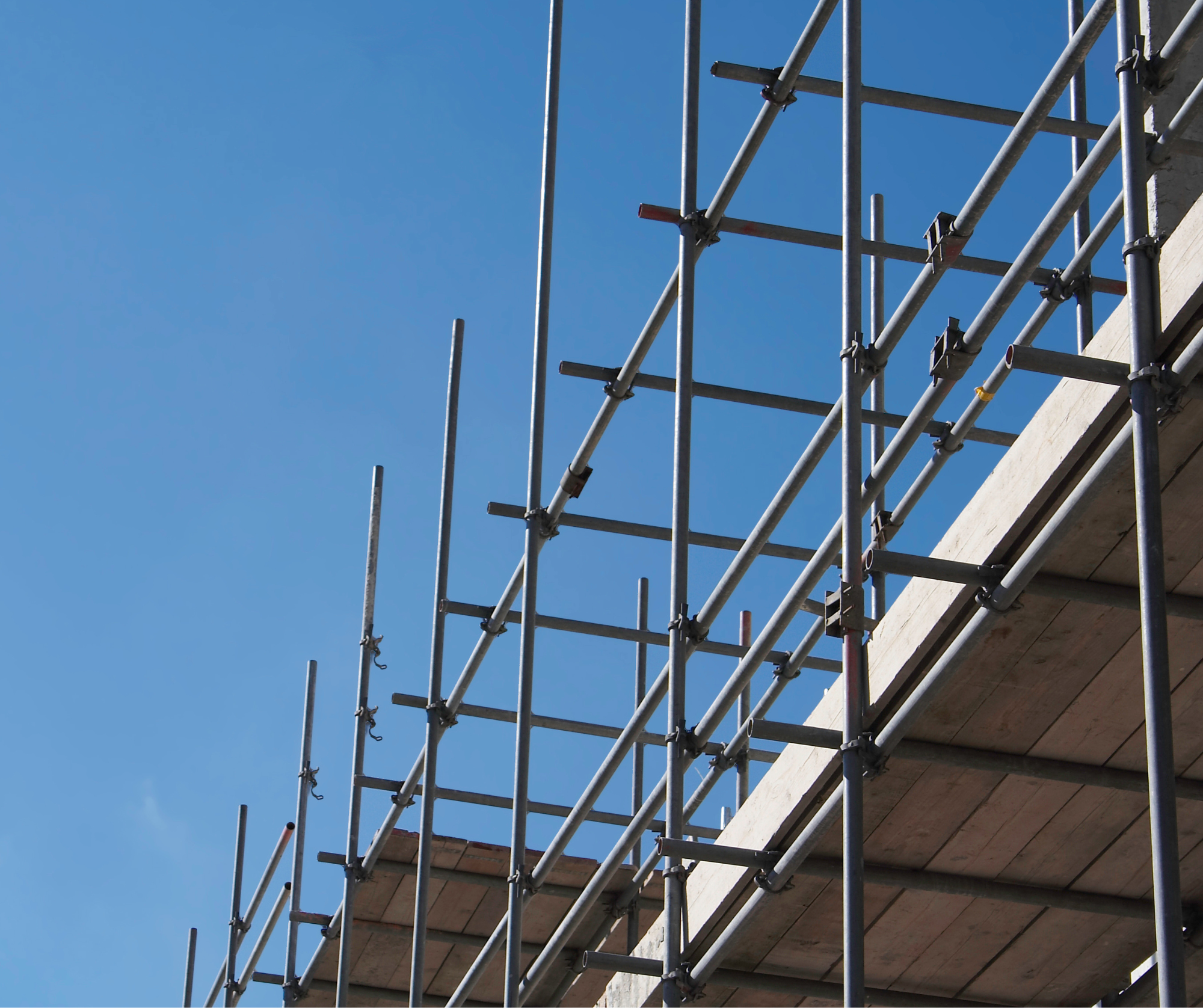
Working in the scaffolding industry comes with serious risks. From working at height and transporting heavy equipment to operating on busy construction sites, scaffolders face challenges every day that many standard business insurance policies simply do not cover. That’s why having specialist scaffolding insurance is essential for protecting your business, your employees, and your reputation.
Whether you’re a self-employed scaffolder, labour-only subcontractor, or run a large scaffolding company, the right insurance cover can help protect you against costly claims, damaged equipment, and unexpected downtime.
What Is Scaffolders Insurance?
Scaffolders insurance is a specialist type of business insurance designed specifically for businesses involved in erecting, dismantling, maintaining, or working with scaffolding systems. Because scaffolding is considered a high-risk trade, insurers often require tailored cover that reflects the unique risks involved.
Policies can usually be customised depending on:
- The size of your business
- Number of employees
- Types of projects you work on
- Maximum working heights
- Whether you work on domestic, commercial, or industrial sites
Public Liability Insurance for Scaffolders
Public Liability Insurance is one of the most important covers for scaffolders. It helps protect your business if a third party suffers injury or property damage as a result of your work.
For example, this could include:
- Falling tools or materials
- Damage to customer property
- Injuries caused by scaffolding structures
- Accidents involving members of the public
Many contractors and local authorities will require proof of Public Liability Insurance before allowing work to begin. Common cover limits range from £2 million to £10 million depending on the projects you undertake.
Employers’ Liability Insurance for Scaffolders
If you employ staff, Employers’ Liability Insurance is a legal requirement in the UK. This cover protects your business if an employee becomes injured or ill as a result of their work.
Because scaffolding involves working at height and handling heavy materials, Employers’ Liability cover is especially important within the trade. Policies typically start at £5 million cover, although many insurers provide £10 million as standard.
This can also include cover for:
- Labour-only subcontractors
- Temporary staff
- Apprentices
- PAYE employees
Tools and Equipment Cover for Scaffolders
Scaffolding equipment is expensive to replace. Tools and Equipment Insurance can help cover the cost of stolen, lost, or damaged equipment, helping you avoid major financial setbacks and delays to ongoing projects.
This can include:
- Scaffold poles and boards
- Power tools
- Hand tools
- Plant machinery
- Hired-in equipment
Some policies also include cover while equipment is in transit between sites.
Plant and Machinery Insurance for Scaffolders
Many scaffolding businesses rely on specialist vehicles and machinery to complete projects safely and efficiently. Plant and Machinery Insurance can help protect owned or hired equipment against:
- Theft
- Fire
- Flood damage
- Accidental damage
- Malicious damage
Without suitable cover, replacing essential machinery could lead to significant downtime and loss of income.
Personal Accident Cover for Scaffolders
If you’re self-employed, Personal Accident Insurance can provide financial support if an injury prevents you from working. Since scaffolders rely heavily on physical labour, even a short period away from work can have a major impact on income.
Cover may include:
- Weekly payments during recovery
- Lump sum payments for serious injuries
- Temporary or permanent disability cover
Do Scaffolders Need Insurance by Law?
Some insurance policies are legally required, while others are strongly recommended.
Legally Required:
- Employers’ Liability Insurance (if you employ staff)
Strongly Recommended:
- Public Liability Insurance
- Tools and Equipment Cover
- Contract Works Cover
- Personal Accident Cover
- Plant Insurance
Many main contractors, councils, and construction firms will refuse to work with scaffolders who cannot provide proof of insurance cover.
Height Restrictions and Specialist Cover for Scaffolders
One important thing scaffolders should watch for is height restrictions within policies. Some insurers place limits on the maximum working height covered under the policy.
Specialist scaffolders insurance providers can often arrange:
- Unlimited height cover
- Commercial and industrial site cover
- Complex access work cover
- Cover for large-scale projects
Always check your policy wording carefully to ensure your work activities are fully covered.
How Much Does Scaffolders Insurance Cost?
The cost of scaffolding insurance depends on several factors, including:
- Business turnover
- Number of employees
- Claims history
- Maximum working heights
- Types of projects completed
- Required cover limits
Businesses working on larger commercial or high-rise projects will typically pay more than domestic-only scaffolders due to the increased risk involved.
Choosing the Right Scaffolders Insurance
Not all insurance policies are created equal. Working with a specialist broker who understands the scaffolding industry can help ensure you get the right level of protection without paying for cover you don’t need.
At Scaff Cover, we understand the unique risks scaffolders face every day. Whether you need Public Liability Insurance, Employers’ Liability, Fleet Insurance, or Tools Cover, we can help arrange protection tailored to your business.