Unlimited Height Public Liability Insurance
Published on: September 20, 2026
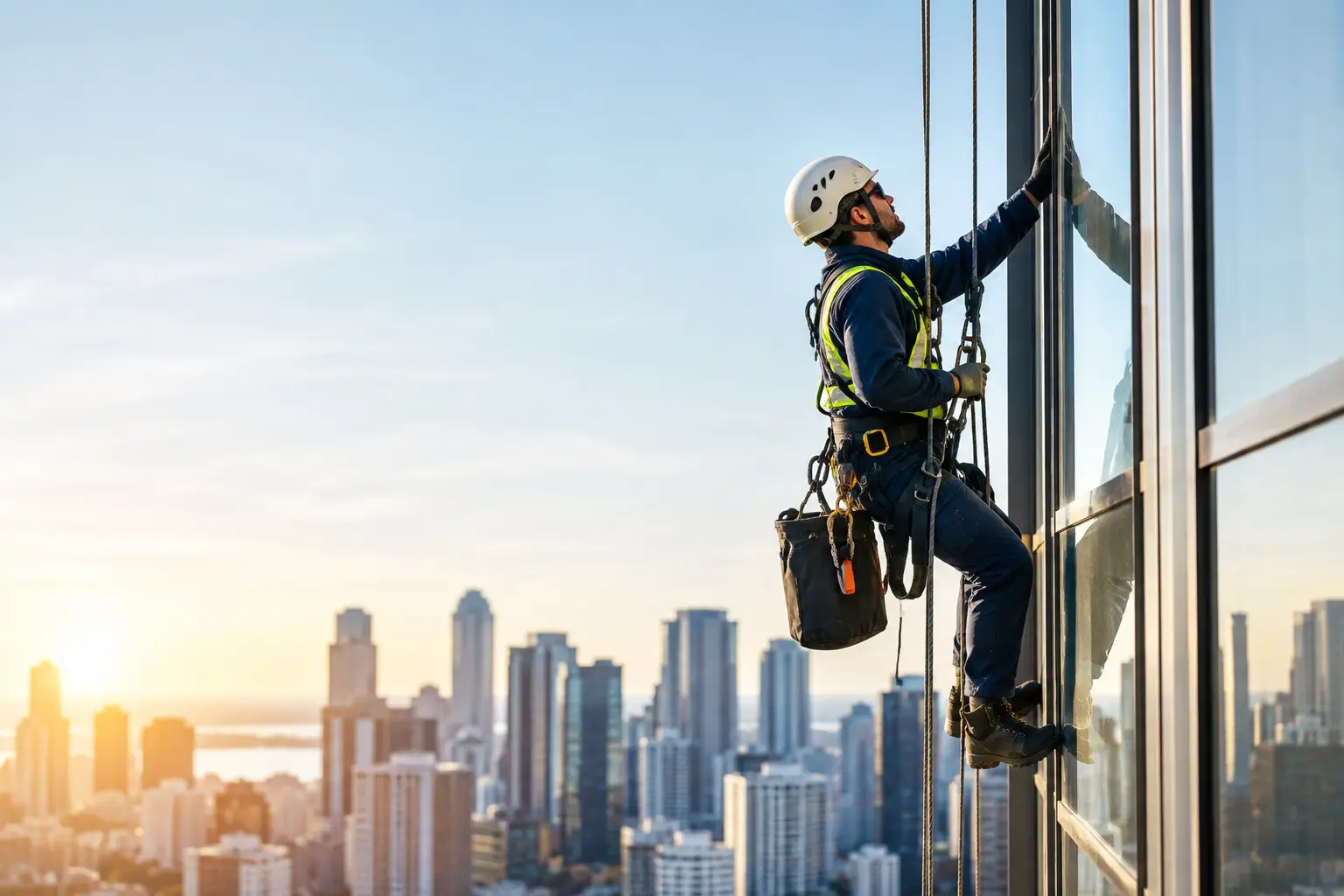
A tender can be ready to sign, a pavement licence may be waiting, and then comes the question that can hold up the whole job: does your public liability policy cover work at that height? Unlimited height public liability insurance is designed for scaffolders whose work cannot sensibly be boxed into a low-rise height limit.
For a quick quote, have your turnover, workforce details, usual contract values and the highest work you undertake to hand. It makes it far easier to arrange cover that reflects the jobs you actually take on, rather than the jobs an off-the-shelf policy assumes you do.
What does unlimited height public liability insurance mean?
Public liability insurance protects your business if a member of the public, client or other third party alleges that your work caused injury or property damage. For scaffolders, that could mean a pedestrian hurt by falling material, damage to a shopfront during an erection, or a vehicle struck by an unsecured component near the site boundary.
The phrase “unlimited height” usually refers to the absence of a specified maximum working-height restriction within the relevant policy terms. In practical terms, it can allow consideration of scaffolding work at any height, subject to the policy wording, underwriting information, endorsements and other conditions.
That last part matters. Unlimited height is not a free pass to take on any job with no questions asked. Insurers will still want to understand the nature of the work, site access, safety controls, experience of the crew, turnover and claims history. A high-rise scaffold around a city-centre block, for example, presents a different risk from domestic access scaffolding, even if both are technically covered without a height cap.
Always check the schedule and wording, rather than relying on a phrase in a quote conversation. If a contract specifies a height requirement, send that requirement to your broker before work starts and keep the written confirmation with your job file.
Why height limits can cause problems for scaffolders
A height restriction can be easy to miss until a principal contractor asks for proof of insurance. Some policies exclude work above a stated number of metres or floors. Others may allow the work but apply different conditions, require referral, or limit particular activities such as work on certain structures.
For a scaffolding contractor, the issue is rarely just the height of the platform. The risk also comes from what is below and around it. A busy pavement, live carriageway, neighbouring property, public entrance or occupied building can increase the potential value of a claim. So can lifting operations, loading bays, hoists, cantilever sections and work close to overhead services.
A policy with a low height limit may look cheaper at renewal, but it can become expensive if it rules you out of profitable work or leaves an argument over cover after an incident. Equally, paying for unlimited-height-risk arrangements when your business only carries out routine low-level domestic work may not be the best use of budget. The right answer depends on your normal work, not just the biggest job you would like to win.
The public liability limit is a separate decision
Do not confuse unlimited working height with an unlimited indemnity limit. The indemnity limit is the maximum amount the insurer will pay for a covered claim, subject to the policy terms. Common public liability limits are £1 million, £2 million, £5 million and £10 million.
Many scaffolders choose £5 million because it is commonly requested by commercial clients and local authorities. Larger sites, framework agreements and principal contractors may insist on £10 million. For pavement or highway permits, the required limit can vary by council, so check the application conditions rather than assuming the cover that worked in one area will satisfy another.
The required limit is only one part of the decision. Consider the potential consequences of an incident. A claim involving serious injury, a busy road, multiple damaged vehicles or an occupied commercial property can move quickly beyond the value of a straightforward repair. Your broker should be told where and for whom you work, not simply asked for the lowest available premium.
A typical site scenario
Imagine your team erects a scaffold to a six-storey refurbishment project above a public pavement. During a windy spell, an inadequately secured item falls and injures a passer-by, while also damaging a parked car. The height of the scaffold is relevant, but the public exposure, the cause of the incident and the policy conditions are just as relevant.
A suitable public liability policy may respond to the legal costs and compensation due if your business is found legally liable. It will not replace the need for competent supervision, inspections, secure storage of materials, exclusion zones and a documented method of work. Good risk management protects people first. It can also make it easier to obtain competitive terms.
What to tell your broker before arranging cover
Straight answers lead to more dependable insurance. Be clear about the highest work you carry out, but do not stop there. Explain whether you work on commercial, domestic, industrial or public-sector sites; whether you erect, alter and dismantle; and whether your teams work above roads, railways, public areas or occupied premises.
It is also helpful to disclose the use of hoists, cranes, mechanical lifting, temporary roofs, edge protection, gantries and pavement licences. Mention subcontractors and labour-only workers, as their status can affect the cover needed. If you employ anyone, even on a casual basis, employers’ liability insurance is generally a legal requirement and should sit alongside your public liability protection.
Past claims and circumstances that could give rise to a claim must be declared too. Leaving out awkward information may seem tempting when you are under pressure to get a certificate, but non-disclosure can jeopardise cover when it is needed most.
Public liability is not the whole scaffolding insurance picture
Public liability covers your legal liability to third parties. It does not automatically cover every cost your business may face after an incident. That is why many contractors build a package around their actual operation.
Employers’ liability addresses claims from employees who are injured or become ill through their work. Tools and equipment cover can help with theft or accidental damage to items such as hand tools, fittings and specialist gear, depending on the terms and security requirements. Own plant and hired-in plant cover can be relevant for equipment you own or hire, while contract works cover can protect work in progress against specified insured events.
Fleet insurance, personal accident protection and legal expenses cover may also be worthwhile where you run vehicles, rely on key workers or regularly face contractual disputes. There is no point paying for a bundle of covers that does not reflect your operation. But there is also no comfort in discovering that public liability was the only policy in place after a theft, plant loss or employee injury stops the job.
How to keep terms and premiums sensible
Insurers price what they can see. A well-run scaffolding business gives them a clearer picture of the risk. Keep training records current, use competent supervisors, document inspections and report changes in the type or height of work before taking on a new contract.
Good housekeeping matters as well. Secure tools and materials, maintain vehicles and plant, use appropriate signage and barriers, and keep risk assessments and method statements specific to the site. These are practical controls, not paperwork for paperwork’s sake.
When comparing quotations, look beyond the headline price. Check the height wording, public liability limit, excess, exclusions, subcontractor conditions, temporary employee definitions and whether the insurer has been told about your full range of work. A cheaper policy that does not meet the contract requirement is not a saving.
Scaff Cover can help place cover through a range of insurer and wholesale-broker markets, with a focus on the working-at-height exposures scaffolders deal with every day. That means asking the right questions before the policy is arranged, rather than leaving you to decode the small print after a client has set a deadline.
Before you accept the next high-level job
Read the contract insurance clause, confirm the requested public liability limit and check whether it refers to any particular height, activity or site condition. Then compare it with your current policy schedule. If there is any mismatch, raise it before your crew arrives on site.
The right unlimited-height arrangement should give you confidence to pursue suitable work, not encourage shortcuts. Get the cover clear, keep your controls sharp and let the job be remembered for a safe handover rather than an avoidable insurance problem.