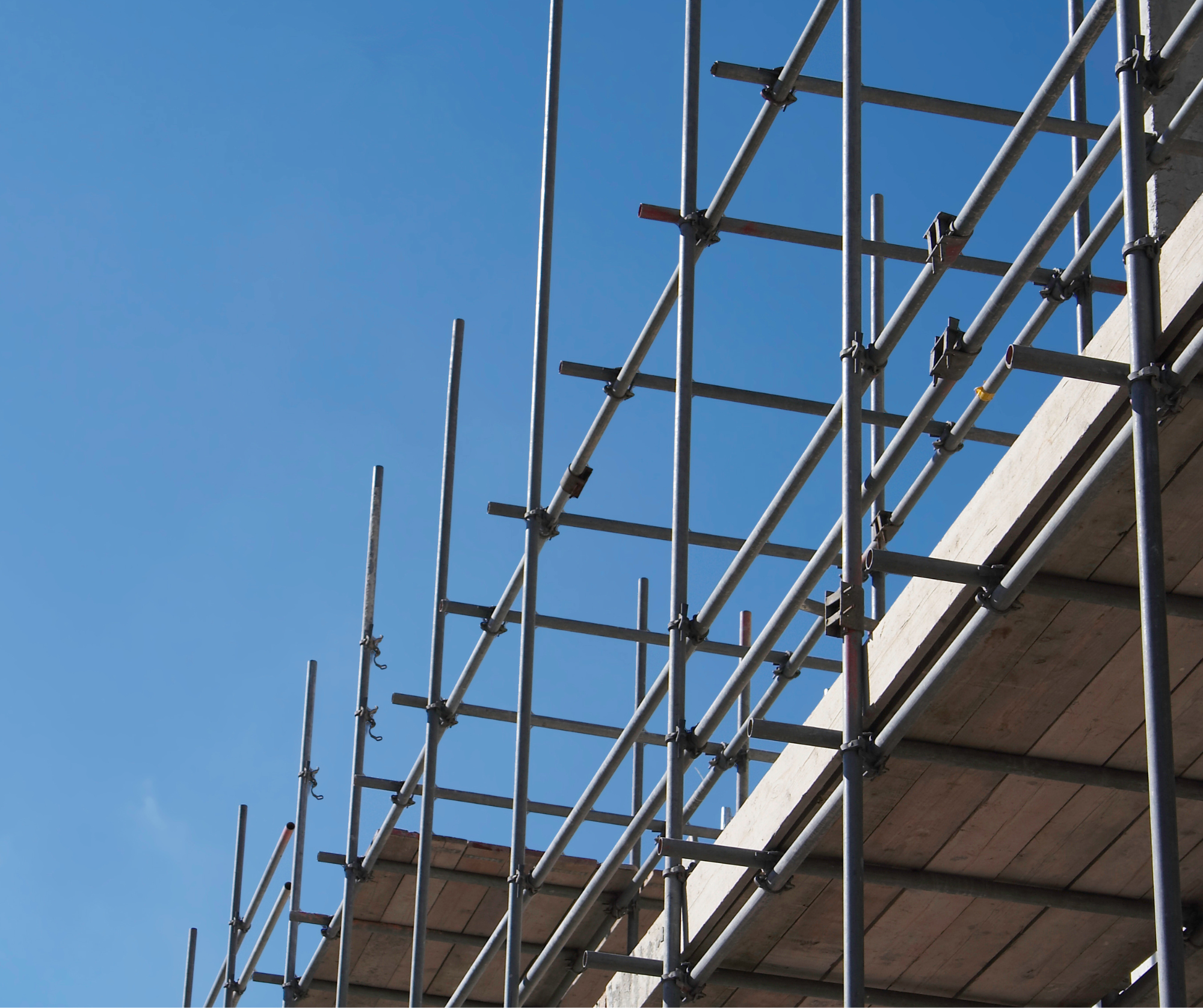
Employers Liability Insurance for Scaffolding Contractors

Cover sorted today starts with knowing what you are responsible for. Employers liability insurance scaffolding contractors arrange is there to protect the business if someone working for them is injured or becomes ill because of the work. On a scaffolding job, that can mean far more than a fall from height. It could involve a manual-handling injury while loading boards, a struck-by incident during a lift, or a crew member hurt by defective equipment.

For most scaffolding firms with employees, employers’ liability is not simply sensible protection. It is a legal requirement. Getting the details right matters because a policy that is based on the wrong wage roll, worker status or activity can create problems at the point you need it most.

What employers’ liability cover does for scaffolders

Employers’ liability insurance covers compensation and legal costs where an employee alleges that their injury or illness was caused by their work for you. A claim may arise years after the event, particularly where the allegation involves repetitive strain, vibration exposure or a condition linked to dust and workplace practices.

For a scaffolding contractor, the immediate risks are usually easier to picture. A labourer slips while carrying fittings across an uneven site. A scaffolder is injured when a load shifts during unloading. A driver suffers an injury while securing materials on the lorry. If the business is found legally liable, employers’ liability cover is designed to respond, subject to the policy terms and conditions.

This is different from public liability insurance. Public liability deals with injury to third parties or damage to their property, such as a passer-by injured by a falling object or damage to a client’s building. Employers’ liability is about your workforce. Most established scaffolding businesses need both, because the risks sit on both sides of the site boundary.

Is employers’ liability insurance compulsory?

Under the Employers’ Liability (Compulsory Insurance) Act 1969, most UK employers must hold employers’ liability cover of at least £5 million. In practice, insurers commonly provide a £10 million limit. You must also make the certificate available to employees, either by displaying it where staff can reasonably see it or providing electronic access.

There are exceptions, but they are narrower than many contractors assume. A genuinely self-employed subcontractor may not need to be covered by your employers’ liability policy. However, calling someone self-employed, paying them through CIS or asking them to invoice you does not settle the question.

Insurers and courts look at the real working relationship. If you control when and where someone works, provide the kit, direct the task, and they are integrated into your crew, they may be treated as an employee or labour-only worker for insurance purposes. That is common on scaffolding projects where gangs move between sites under a contractor’s supervision.

Family businesses can be an exception where only close family members are employed, but it is worth checking the exact position rather than relying on hearsay. The cost of arranging cover is usually far lower than the risk of being uninsured or facing enforcement action.

Why scaffolding work needs a trade-aware approach

A standard employers’ liability policy wording can look straightforward. The challenge is making sure the insurer understands what your business actually does.

Scaffolding is not a desk-based trade with the occasional site visit. Your team may work at height, handle heavy steel and timber, erect temporary structures beside roads, work around the public, travel between jobs, and use hired or owned plant. A one-person operation that occasionally brings in a labourer has different needs from a contractor running several gangs, a yard, vehicles and ongoing commercial contracts.

Describe your work clearly when arranging cover. That includes the type of scaffolding erected, usual job locations, the number of workers, annual wage roll, use of bona fide and labour-only subcontractors, and whether you take on unusual or higher-risk projects. If you work on chimneys, towers, industrial sites or complex temporary-roof jobs, say so at the outset.

Height restrictions deserve particular attention. Employers’ liability cover should reflect the work you carry out, not an assumption that every project is low-rise domestic scaffolding. Specialist arrangements with unlimited-height-risk options may be relevant for contractors whose work regularly goes beyond ordinary house-front access scaffolds.

Getting your wage roll and worker figures right

Premiums for employers’ liability insurance are often linked to your wage roll and the nature of the work. This is not paperwork for paperwork’s sake. It gives insurers a measure of how many people are exposed and to what extent.

Include everyone who may need to be treated as an employee for the policy: directors who work on site, PAYE staff, apprentices and labour-only subcontractors. Bona fide subcontractors may be treated differently, but you should not guess. Keep evidence that they carry their own insurance where required and make sure their working arrangement is correctly declared.

Underestimating wages to make a premium look cheaper is a false economy. Some policies are adjustable, meaning the insurer may review actual figures at the end of the period. More seriously, a significant mismatch between what was declared and the reality of the business can complicate a claim. If you win a major contract, take on another gang or change the balance between employees and subcontractors, tell your broker during the policy year.

Claims are won or lost long before an accident

Insurance is there for the serious financial consequence, but safe systems of work are still your first line of defence. A strong safety record can also make your business easier to place with insurers and may support more favourable terms over time.

Your paperwork should match the site, not sit untouched in a folder. Risk assessments and method statements should cover the actual lift, access, loading area, ground conditions, exclusion zones and public interface. Toolbox talks are more useful when they address the job in front of the crew – for example, changing weather, a restricted pavement, awkward materials or vehicle movements.

If an accident happens, get medical help first and make the area safe. Then preserve the facts. Record what happened, take photographs where appropriate, identify witnesses, retain relevant inspection records and notify the insurer or broker promptly. Do not admit liability on site, even where you want to be helpful. A quick, factual report gives the claims team the best chance to protect your position.

A practical insurance check before renewal

Before renewing, review whether your policy still reflects the business you run now. Check the following points together rather than treating employers’ liability in isolation:

  • Your employee, apprentice, director and labour-only subcontractor figures are accurate.
  • Your declared wage roll reflects expected turnover and staffing for the next 12 months.
  • Your activities include the full range of scaffolding work, locations and height exposure.
  • Your public liability, fleet, tools, hired plant and contract works cover do not leave obvious gaps around the same jobs.

This joined-up view matters. For example, an employee injured while using hired plant may bring an employers’ liability claim, while damage to the hired item may sit under a separate hired-in plant section. The incident is one event to you, but the insurance response can involve several policies.

What affects the cost of cover?

There is no single price for employers’ liability insurance for scaffolding contractors. Insurers will consider your wage roll, number of workers, claims history, type of projects, height exposure, safety controls and the cover packaged alongside it. A contractor with a clean record, documented training and stable staffing may present differently from a firm expanding quickly into higher-risk commercial work.

Cheapest is not always best, particularly if it comes with unsuitable activity descriptions, low limits elsewhere in the package or exclusions you have not spotted. The better question is whether the policy is built around the jobs you tender for and the people you put on site.

A specialist broker such as Scaff Cover can help translate your day-to-day work into information insurers can assess properly, rather than forcing a scaffolding operation into a generic construction description. That can save time, but it also helps avoid the awkward conversation after a claim: “Why was this not declared?”

Your crew is one of the biggest assets in the business. Keep their roles, training, supervision and insurance details as carefully organised as your scaffold register. When the next contract changes the shape of your operation, update the cover before the first lift goes up – duct tape cannot fix an insurance gap.


How to Get the Right Scaffolder Insurance Quote

A scaffolder insurance quote should do more than produce a premium and a certificate. It needs to reflect what happens when your team is on a busy pavement job, lifting heavy components, moving between sites, or working above the height limits that can catch out a standard trades policy.

The cheapest figure can look attractive at 6pm when a main contractor needs proof of cover for the morning. But if the policy excludes the work you actually carry out, has an unsuitable height restriction or leaves your hired plant uninsured, it is not a saving. It is a problem waiting for the wrong day.

What a scaffolder insurance quote needs to reflect

Scaffolding is not a one-size-fits-all trade. A sole trader handling domestic access towers has a different risk profile from a contractor with several gangs, lorries, a yard and contracts on commercial refurbishments. Insurers will price those differences, so accurate information matters from the start.

Your quote should account for the type of projects you take on, the maximum working height, where you work, your annual turnover, your wage roll and the number of people on site. It should also cover the equipment, vehicles and plant that keep the job moving.

Working at height is particularly important. Some policies set a maximum height or apply conditions to certain activities. If you work above that limit, do not assume the cover simply carries on. Ask the question directly and make sure the answer is confirmed in the policy wording or schedule. Unlimited-height-risk arrangements may be available for suitable businesses, but terms, underwriting information and price will vary.

Public-facing work also changes the picture. A scaffold erected over a pavement, beside a road or near neighbouring property brings third-party injury and damage exposures that should be properly declared. Many local authorities and principal contractors will ask to see evidence of public liability before issuing permits or allowing work to begin.

The core covers to consider

Public liability insurance

Public liability is usually the first cover clients ask about, and for good reason. It can respond if a member of the public, a client or another third party is injured, or their property is damaged, because of your work.

Picture a fitting falling from a scaffold and damaging a parked car, or a pedestrian tripping around an inadequately protected work area. The cost is not only the repair or compensation. There may be legal fees and time spent dealing with the allegation. Limits commonly start at £1 million, but contracts, councils and commercial sites often require £5 million or £10 million. The right limit depends on the work, not just the minimum price.

Employers’ liability insurance

If you employ staff, employers’ liability insurance is generally a legal requirement. It protects the business against claims from employees who suffer illness or injury in connection with their work. Given the physical nature of scaffolding, this is cover to take seriously.

The employment relationship matters more than job titles. Labour-only subcontractors, apprentices and casual workers may create an employers’ liability exposure depending on how the work is arranged and supervised. Be clear about who works under your direction when requesting cover. Getting this wrong can lead to an unsuitable quote and difficult questions later.

Tools, equipment and plant

Scaffolding kit is valuable, mobile and often left in places where theft is a real risk. Tools and equipment cover can help protect items such as hand tools, power tools and smaller trade equipment, subject to the policy terms, security conditions and limits.

For larger assets, consider cover for your own plant and hired-in plant. If a hired telehandler, generator or other item is damaged or stolen, the hire agreement may leave you responsible for the cost. Do not rely on the hire company automatically carrying that risk for you.

Check whether cover applies away from the yard, in locked vehicles, overnight and at unattended sites. A policy may be perfectly adequate for equipment stored in a secure unit but less useful if your normal working pattern involves vans parked at home or kit left on site.

Fleet and commercial vehicle insurance

A vehicle off the road can halt more than one job. Commercial vehicle or fleet insurance should reflect every vehicle used for the business, including lorries, vans and trailers where required. Declare the real use of each vehicle, who drives it and whether it carries tools, materials or employees.

Price is important, but so is keeping the business moving after an incident. Ask about replacement vehicle options, windscreen cover, breakdown arrangements and any restrictions on drivers. A lower premium with a high excess or no suitable replacement provision may cost more in lost work.

Contract works, personal accident and legal expenses

Contract works insurance can be useful where you are responsible for work in progress, materials or temporary works before practical completion. The need depends on your contracts and whether another party has arranged cover. Never assume a main contractor’s policy protects your interest without checking.

Personal accident cover can provide a financial benefit following certain accidental injuries. For self-employed scaffolders, it can offer some breathing space if an injury stops you earning, although it is not a replacement for income protection and has defined benefits and exclusions.

Legal expenses cover may help with specified disputes, debt recovery or employment matters, depending on the policy. It is not essential for every business, but it can be useful when a disagreement threatens to consume time you should be spending on site.

Information that helps get a better quote

A quick quote is useful only if it is based on the right facts. Before you speak to a broker or complete a form, have your business details, claims history and current insurance documents to hand. You should also be ready to explain your main activities, the highest height worked, the areas you cover, annual turnover and total wage roll.

Details of previous claims, prosecutions, refusals of insurance or cancelled policies need to be disclosed honestly. They do not always prevent cover being arranged, but surprises after a claim are best avoided.

For tools, plant and vehicles, prepare realistic replacement values rather than rough guesses. Underinsuring may reduce the premium, but it can leave a shortfall after theft or damage. Include hired equipment if you use it regularly and check the maximum single-item value for more expensive kit.

It also helps to provide copies of contract insurance requirements. If a client requires £10 million public liability, cover for work at any height or a particular indemnity clause, that should be reviewed before you accept the job. A certificate alone does not prove every contractual requirement has been met.

How to compare quotes properly

When comparing a scaffolder insurance quote, put the policy details next to each other rather than looking at the headline premium alone. Compare the liability limits, excesses, height conditions, activities covered and any exclusions relating to working at height, heat work, work over water or work near railways.

Then look at the practical details: whether tools are covered from vehicles, whether hired plant is included, how long replacement hire is available after a vehicle loss and whether legal costs sit within or outside the indemnity limit. These details can make a material difference when something goes wrong.

Payment terms deserve attention too. Paying annually may be cheaper overall, while instalments can protect cash flow during a busy or uneven trading year. If finance is used, understand the deposit, monthly cost, total amount payable and what happens if a payment is missed.

A specialist broker can help translate trade activity into insurer language and approach suitable markets on your behalf. Scaff Cover works with scaffolding businesses that need cover shaped around their actual operations, rather than a generic construction description that misses the point.

Keep your cover accurate as the business changes

Insurance should not be filed away after renewal. Tell your broker when turnover rises sharply, you take on more employees, buy another vehicle, add hired plant or move into taller and more complex work. The same applies if you begin working for councils, on major construction sites or under new contract terms.

Good site controls can support both safer work and better insurance conversations. Keep training records current, inspect equipment, secure tools, document risk assessments and investigate near misses. These measures do not guarantee a lower premium, but they demonstrate that the business takes risk management seriously.

Duct tape can fix a temporary problem on site. It cannot repair an insurance gap after an accident, theft or claim. Take a few extra minutes to make sure the quote matches the jobs you are doing now and the work you plan to win next.

Public Liability Insurance for Scaffolders

A dropped fitting, a damaged shopfront or a member of the public injured beneath a pavement scaffold can turn a normal working day into a serious claim. Public liability insurance for scaffolders is there to protect your business when your work causes accidental injury or damage to someone else’s property. Cover sorted before the job starts means less time worrying about paperwork and more time focusing on the work.

What public liability cover does for scaffolders

Public liability insurance can pay legal defence costs, compensation and associated expenses if a third party alleges that your business caused them injury or property damage. For scaffolders, that third party could be a pedestrian, neighbour, client, site visitor, passing motorist or another contractor.

The word “public” can be misleading. It is not just about people walking past a domestic job. A claim could arise when a lorry damages a client’s gate while materials are being unloaded, when a loose board damages a conservatory roof, or when a subcontractor says your scaffold created a hazard that led to an injury.

Scaffolding carries a particular level of exposure because the work combines height, heavy materials, changing sites and regular contact with public spaces. Even when your crew works carefully and follows site procedures, allegations can still be made. Defending a claim costs money, whether or not you are ultimately found liable.

Is public liability insurance a legal requirement?

Unlike employers’ liability insurance, public liability cover is not generally compulsory by UK law. In practice, many scaffolders cannot work without it. Principal contractors, local authorities, commercial clients and domestic customers may all ask to see proof of cover before allowing work to begin.

It is especially common to need a public liability insurance certificate when applying for a highway, pavement or road permit. The required limit may be set by the local authority or contract conditions. Do not assume that a policy accepted on one job will satisfy the next one.

A one-person scaffolder working solely on private premises may have fewer contractual demands than a contractor erecting street scaffolds across several boroughs. The principle is the same: the policy needs to match the work you actually undertake, not just meet the lowest figure on a tender form.

Choosing the right level of cover

Common limits are £1 million, £2 million, £5 million and £10 million. The correct limit depends on your clients, contract terms, location and the scale of the potential loss.

For lower-risk domestic work away from public highways, £1 million or £2 million may sometimes be accepted. Many commercial contractors and local authorities expect at least £5 million. Larger sites, city-centre projects, work near busy roads, rail infrastructure or valuable buildings can require £10 million or more.

The cheapest limit is not always the best value. If a contract requires £5 million and you hold £2 million, you may lose the job or have to arrange an amendment at short notice. Equally, buying a much higher limit than your work requires can add cost without adding practical benefit. A specialist broker can help you weigh up the contract requirement against the risks on site.

Height matters, but so do the policy terms

Working at height is central to scaffolding, yet not every liability policy treats it in the same way. Some policies apply a height restriction, while others can be arranged with unlimited-height-risk cover, subject to insurer appetite and the nature of your activities.

Read the schedule and wording carefully. Ask whether the policy covers the full range of work your business carries out, including erection, alteration, dismantling, temporary roof systems, design exposure where applicable, and work on or near highways. If your usual work changes during the year, tell your broker before taking on the contract.

What a scaffolder’s public liability policy may cover

A properly arranged policy is designed around accidental third-party injury and damage arising from your insured business activities. Typical scenarios include a pedestrian hurt by falling debris, scaffold components damaging a parked car, or accidental damage to a customer’s building while the scaffold is being installed.

It can also respond to the legal costs of investigating and defending an allegation. This matters because claims do not always arrive immediately. A person may report an injury weeks after an incident, or a property owner may identify damage once the scaffold has been removed.

There are limits to every policy. Public liability does not normally cover poor workmanship itself, the cost of redoing faulty work, deliberate acts, contractual liabilities you have accepted beyond your usual legal responsibility, or damage to property in your care, custody or control. Cover for such issues may be available in certain circumstances, but it should never be assumed.

For example, if a customer says a scaffold was erected incorrectly and needs rebuilding, the rebuild is unlikely to be a straightforward public liability claim. If that alleged defect causes part of a building to be damaged, the resulting damage may be considered differently. The detail matters, so report incidents early and avoid admitting liability on site.

Public liability is only one part of the picture

Duct tape cannot fix a gap in your insurance, and public liability alone will not protect every part of a scaffolding operation. If you employ anyone, including labour-only staff in many situations, employers’ liability insurance is usually a legal requirement. It protects against claims from employees who are injured or become ill because of their work.

Your vehicles need appropriate motor or fleet insurance, whether you run a single van or several lorries. Tools, scaffold stock, own plant and hired-in plant may need separate cover for theft, damage or loss. Contract works insurance can be relevant where materials, temporary works or a project are damaged before handover. Personal accident cover can provide financial support following an injury, while legal expenses cover can help with certain disputes.

Packaging these covers together can make administration easier, but there is a trade-off. A bundled policy is only useful if the individual limits, excesses and exclusions work for your business. It is worth reviewing the detail rather than choosing a package solely because the headline premium looks attractive.

Information insurers will want to know

Accurate information helps insurers assess the risk fairly and avoids problems later. Expect questions about turnover, the number of workers, wage roll, work at height, types of contracts, claims history, postcode areas, use of subcontractors and whether you work on highways or public pavements.

Be clear about who does what. A bona fide subcontractor operating independently is treated differently from a labour-only subcontractor working under your supervision. If you provide design, calculations, inspections or sign-off, say so. If you install temporary roofs, access towers, hoists or undertake work near railways, airports or water, raise it at quote stage.

Do not underestimate turnover to reduce the premium. Insurers may use turnover as a measure of how much work you do, and a material difference can complicate a claim. The same goes for past incidents. A well-explained claim history is usually better than an undisclosed one.

Reducing claims and keeping cover workable

Good risk management does not just protect people. It can support cleaner claims records and give insurers confidence in how your business operates. Keep inspection records current, train crews properly, secure materials, use suitable exclusion zones and make sure public-facing signage and lighting are in place where required.

For pavement and roadside scaffolds, confirm permit conditions before work starts. Those conditions may deal with lighting, pedestrian management, protective fans, hoardings, width restrictions and inspection requirements. A permit does not replace insurance, and insurance does not replace compliance with the permit.

When an incident happens, photograph the area where safe to do so, retain relevant documents, record witness details and notify your insurer or broker promptly. Do not promise payment or accept fault simply to calm an unhappy client. A quick, factual report gives the claims team the best chance to protect your position.

Getting cover that reflects the job

Public liability insurance should be arranged around the reality of your work: the heights involved, the streets you occupy, the equipment you use and the contracts you want to win. Before comparing quotes, have your turnover, claims details, workforce information and upcoming project requirements to hand. It makes the process quicker and reduces the chance of buying cover that looks fine on paper but falls short on site.

Scaff Cover can help scaffolders compare trade-specific options, including arrangements for unlimited height risks where available, and make sense of the limits clients and local authorities ask for. The right question is not simply “How cheap is the policy?” It is “Will this policy stand up when the job, the client and the unexpected incident put it to the test?”

Scaffolding Insurance That Fits Your Site Work

A pavement permit has been approved, the lorry is loaded and the crew is ready to start. That is not the moment to find out your scaffolding insurance excludes the height, activity or equipment involved. For scaffolders, insurance is not just a tender-box exercise. It is what helps keep a costly incident from becoming a business-ending bill.

Whether you are a sole trader putting up domestic access towers or managing several gangs across commercial sites, the right cover should reflect how you actually work. Heavy tubes and boards, public walkways, hired kit, vehicles, changing sites and people working at height all create exposures that a generic trades policy may not properly address.

What scaffolding insurance needs to deal with

Scaffolding work carries a combination of risks that are easy to underestimate when they are viewed separately. A dropped fitting can injure a passer-by. A vehicle reversing into a gate can damage property. Tools left in a van overnight can disappear. A section of scaffold can be damaged by high winds before handover. Each event has a different cause, but all can stop work and put pressure on cash flow.

Public liability insurance is usually the starting point. It protects against claims from third parties for injury or property damage arising from your work. For example, it may respond if a member of the public is injured by falling material, or if your work damages a client’s building. It does not cover poor workmanship simply because the client is unhappy, and it will always be subject to the policy’s terms, exclusions and limits.

The limit matters. Many domestic jobs may require £2 million or £5 million of public liability cover, while principal contractors, local authorities and larger commercial clients often ask for £10 million. If you need a pavement or highway permit, the relevant council may also require evidence of a particular liability limit before it will approve the application. Check the contract and permit conditions before work starts, rather than assuming last year’s certificate will do.

Working height is another detail that deserves a direct question. Some policies have height restrictions or define the activities they will insure very narrowly. If your jobs range from small extensions to multi-storey commercial work, make sure the insurer knows that. Unlimited-height-risk arrangements may be available, but they are not automatic. Clear, accurate information at quote stage gives you a far better chance of having cover that stands up when it is needed.

The cover most scaffolding businesses need

There is no single policy that suits every scaffolder. A one-person business with a van and basic equipment has different needs from a contractor employing several crews, operating lorries and hiring in plant for major packages. Still, most businesses will need to consider the following areas together.

Employers’ liability for your crew

If you employ anyone, employers’ liability insurance is generally a legal requirement. This can include full-time staff, part-time workers and, in some circumstances, labour-only subcontractors who effectively work under your direction. The statutory minimum is £5 million, although £10 million is commonly provided by insurers.

This cover is designed to protect the business if an employee suffers illness or injury in the course of their work and alleges that the employer was negligent. Risk assessments, training, inspection records, rescue planning and proper supervision remain essential. Insurance supports those controls; it cannot replace them.

Vehicles, tools and equipment

A van or lorry is central to most scaffolding operations, so motor insurance needs to match the way it is used. Named drivers, business use, carrying tools and materials, towing, overnight parking and the number of vehicles all need to be declared accurately. If you run a fleet, a fleet policy can simplify administration, but it is not always the most cost-effective route for a small operation.

Tools and equipment cover can help after theft, accidental damage or loss, depending on the policy. The detail matters here. Insurers may set security conditions for tools left in vehicles, apply single-item limits or require specific evidence of ownership. Keep purchase invoices where possible, photograph higher-value kit and update your equipment list when you invest in new gear.

For scaffolders, plant cover is often just as relevant. Own plant insurance can protect equipment you own, while hired-in plant cover deals with equipment rented from others. The hire agreement should be checked carefully, as you may be responsible for the hired item even when damage is caused by someone else or it is stolen from site. Do not assume public liability will pick up that cost.

Contract works and the job in progress

Contract works cover protects the works themselves while a project is under way. It can be particularly useful where materials, temporary works or work already completed are damaged by events such as fire, flood, storm, theft or vandalism. The right approach depends on the contract. Sometimes the principal contractor has arranged cover for the whole project; sometimes each subcontractor remains responsible for its own work.

Ask who carries the risk, what the contract says about damage before practical completion and whether there are exclusions relating to defective design, workmanship or materials. Those distinctions can feel technical, but they make a real difference after a loss.

Personal accident cover and legal expenses insurance may also be worth considering. Personal accident cover can provide a financial benefit after specified injuries, while legal expenses may help with the costs of pursuing or defending certain legal disputes. Neither is a replacement for liability insurance, but both can provide useful breathing space when a problem threatens income or leads to a dispute.

Getting the information right at quote stage

The quickest way to create problems is to treat the proposal form as paperwork rather than a record of your business. Insurers need a clear picture of your trade because pricing and cover are based on the work you undertake, not merely the word “scaffolder”.

Be ready to explain the height and type of work you carry out, your turnover, wage roll, number of employees, subcontractor arrangements, claims history, largest contract value, locations, vehicles and plant. Mention specialist activities too, such as temporary roofing, hoists, street works, design responsibility or work near railways, water or high-risk industrial sites.

Being specific does not automatically make insurance unaffordable. It helps a specialist broker approach suitable markets and avoid building cover around assumptions. Scaff Cover can help contractors package trade-relevant protection and obtain the documents clients, principal contractors and councils often request. The aim is straightforward: less time chasing paperwork, more time focusing on the job.

Balancing cost against the cover you need

The cheapest premium is not always the lowest-cost choice. A policy that looks attractive can become expensive if it carries a height restriction, insufficient liability limit, a large excess or exclusions that affect your normal work. Equally, paying for every possible extension is not sensible if it does not fit your operation.

A practical review starts with the contracts you want to win, the maximum value of work in progress, the replacement cost of equipment and the consequences of a claim involving an employee or member of the public. From there, compare more than the headline price. Look at limits, excesses, security requirements, geographical scope, subcontractor conditions and how quickly certificates can be issued.

You can also improve how your business presents to insurers. Good housekeeping helps: maintain inspection records, keep vehicles secure, document training, review claims and near misses, and make sure your health and safety procedures reflect the work actually taking place. These measures will not guarantee a lower premium, but they demonstrate that risk is being managed seriously.

Cash flow matters too. Annual payment can be cheaper overall, but instalment options may suit a business that has payroll, fuel, materials and supplier costs to manage. Check the total amount payable and whether finance charges apply before choosing a payment plan.

If something goes wrong on site

After an incident, look after people first and make the area safe. Then record what happened while details are fresh. Take photographs, retain damaged items where appropriate, gather witness details and notify the relevant parties. Do not admit liability or agree to pay a claim before speaking with your insurer or broker.

Prompt notification is especially important where there has been an injury, third-party damage, theft or an allegation against your business. A good claims process should help you understand what information is needed, keep communication moving and allow you to get back to work as quickly as possible.

The best time to test your insurance is before the first board goes up. Put the real detail of your work on the table, question any restriction you do not understand and keep your cover aligned with the jobs you are taking on. Duct tape can fix plenty on site. It cannot fix an insurance gap after the incident has happened.

What Insurance Do Scaffolders Need in the UK?

Working in the scaffolding industry comes with serious risks. From working at height and transporting heavy equipment to operating on busy construction sites, scaffolders face challenges every day that many standard business insurance policies simply do not cover. That’s why having specialist scaffolding insurance is essential for protecting your business, your employees, and your reputation.

Whether you’re a self-employed scaffolder, labour-only subcontractor, or run a large scaffolding company, the right insurance cover can help protect you against costly claims, damaged equipment, and unexpected downtime.

What Is Scaffolders Insurance?

Scaffolders insurance is a specialist type of business insurance designed specifically for businesses involved in erecting, dismantling, maintaining, or working with scaffolding systems. Because scaffolding is considered a high-risk trade, insurers often require tailored cover that reflects the unique risks involved.

Policies can usually be customised depending on:

  • The size of your business
  • Number of employees
  • Types of projects you work on
  • Maximum working heights
  • Whether you work on domestic, commercial, or industrial sites

Public Liability Insurance for Scaffolders

Public Liability Insurance is one of the most important covers for scaffolders. It helps protect your business if a third party suffers injury or property damage as a result of your work.

For example, this could include:

  • Falling tools or materials
  • Damage to customer property
  • Injuries caused by scaffolding structures
  • Accidents involving members of the public

Many contractors and local authorities will require proof of Public Liability Insurance before allowing work to begin. Common cover limits range from £2 million to £10 million depending on the projects you undertake.

Employers’ Liability Insurance for Scaffolders

If you employ staff, Employers’ Liability Insurance is a legal requirement in the UK. This cover protects your business if an employee becomes injured or ill as a result of their work.

Because scaffolding involves working at height and handling heavy materials, Employers’ Liability cover is especially important within the trade. Policies typically start at £5 million cover, although many insurers provide £10 million as standard.

This can also include cover for:

  • Labour-only subcontractors
  • Temporary staff
  • Apprentices
  • PAYE employees

Tools and Equipment Cover for Scaffolders

Scaffolding equipment is expensive to replace. Tools and Equipment Insurance can help cover the cost of stolen, lost, or damaged equipment, helping you avoid major financial setbacks and delays to ongoing projects.

This can include:

  • Scaffold poles and boards
  • Power tools
  • Hand tools
  • Plant machinery
  • Hired-in equipment

Some policies also include cover while equipment is in transit between sites.

Plant and Machinery Insurance for Scaffolders

Many scaffolding businesses rely on specialist vehicles and machinery to complete projects safely and efficiently. Plant and Machinery Insurance can help protect owned or hired equipment against:

  • Theft
  • Fire
  • Flood damage
  • Accidental damage
  • Malicious damage

Without suitable cover, replacing essential machinery could lead to significant downtime and loss of income.

Personal Accident Cover for Scaffolders

If you’re self-employed, Personal Accident Insurance can provide financial support if an injury prevents you from working. Since scaffolders rely heavily on physical labour, even a short period away from work can have a major impact on income.

Cover may include:

  • Weekly payments during recovery
  • Lump sum payments for serious injuries
  • Temporary or permanent disability cover

Do Scaffolders Need Insurance by Law?

Some insurance policies are legally required, while others are strongly recommended.

Legally Required:

  • Employers’ Liability Insurance (if you employ staff)

Strongly Recommended:

  • Public Liability Insurance
  • Tools and Equipment Cover
  • Contract Works Cover
  • Personal Accident Cover
  • Plant Insurance

Many main contractors, councils, and construction firms will refuse to work with scaffolders who cannot provide proof of insurance cover.

Height Restrictions and Specialist Cover for Scaffolders

One important thing scaffolders should watch for is height restrictions within policies. Some insurers place limits on the maximum working height covered under the policy.

Specialist scaffolders insurance providers can often arrange:

  • Unlimited height cover
  • Commercial and industrial site cover
  • Complex access work cover
  • Cover for large-scale projects

Always check your policy wording carefully to ensure your work activities are fully covered.

How Much Does Scaffolders Insurance Cost?

The cost of scaffolding insurance depends on several factors, including:

  • Business turnover
  • Number of employees
  • Claims history
  • Maximum working heights
  • Types of projects completed
  • Required cover limits

Businesses working on larger commercial or high-rise projects will typically pay more than domestic-only scaffolders due to the increased risk involved.

Choosing the Right Scaffolders Insurance

Not all insurance policies are created equal. Working with a specialist broker who understands the scaffolding industry can help ensure you get the right level of protection without paying for cover you don’t need.

At Scaff Cover, we understand the unique risks scaffolders face every day. Whether you need Public Liability Insurance, Employers’ Liability, Fleet Insurance, or Tools Cover, we can help arrange protection tailored to your business.

How Much Does Scaffolders Insurance Cost in the UK?

One of the first questions scaffolding businesses ask when arranging cover is: how much is it going to cost? The honest answer is that there’s no single fixed price – but there are clear factors that determine what you’ll pay, and steps you can take to keep costs manageable.

Many scaffolders search online for cheap scaffolders insurance when comparing quotes. However, the cost of cover can vary significantly depending on factors such as the size of your business, the height you work at, and the level of liability protection required.

This guide breaks down what influences scaffolders insurance premiums and gives you a realistic sense of what to expect.

What Affects the Cost of Scaffolders Insurance?

Insurers use a range of factors to calculate your premium. For scaffolding businesses, the most significant are:

  • Annual turnover – the higher your turnover, the greater the perceived exposure
  • Wage roll – used to calculate Employers’ Liability premiums
  • Number of employees – more workers means more risk
  • Type of work – domestic vs commercial, ground level vs high-rise
  • Claims history – previous claims will typically push premiums up
  • Level of cover required – £2m, £5m, or £10m Public Liability
  • Location – urban projects may carry higher perceived risk than rural domestic work
  • Safety measures in place – training records, CISRS compliance, site procedures

Because these factors vary so much between businesses, it’s difficult to give a meaningful ‘average’, but the sections below give indicative ranges to help you benchmark.

Public Liability Insurance Costs For Scaffolders

Public Liability Insurance is typically the core cover for scaffolding businesses. For a sole trader or small scaffolding business:

→ £2 million cover: Often the entry point – typically lower annual premiums for small operators.


→ £5 million cover: A modest step up from £2m in cost but significantly broader protection.


→ £10 million cover: Suitable for commercial contracts and local authority work.


→ Premiums increase with turnover, workforce size, and the nature of work undertaken.

The jump in premium between £5m and £10m cover is often smaller than people expect, making it worth considering the higher limit if you work on commercial projects.

Employers’ Liability Insurance Costs For Scaffolders

EL premiums are primarily driven by your wage roll, the total annual wages you pay to employees and workers. Insurers apply a rate per £100 of wages, which varies depending on the trade.

Because scaffolding is classed as a high-risk trade, EL rates are generally higher than for desk-based or lower-risk occupations. Businesses can manage costs by:

  • Maintaining accurate and up-to-date wage roll declarations
  • Ensuring workers have completed relevant health and safety training
  • Demonstrating a strong safety record at renewal

Tools and Equipment Cover Costs For Scaffolders

Tools cover premiums are based on the total declared value of your equipment. Costs increase with the value of tools being insured, and whether cover includes theft from an unattended vehicle.

Check for ‘inner limits’ on high-value individual items, you may need to specify particularly valuable pieces of equipment separately to ensure full replacement cost is covered.

Fleet Insurance Costs For Scaffolders

Fleet insurance for scaffolding companies is priced based on:

  • Number of vehicles
  • Type and age of vehicles
  • Whether cover is ‘any driver’ or named drivers
  • Annual mileage and geographical area
  • Claims history across the fleet

‘Any driver’ fleet policies offer maximum flexibility but may carry a premium uplift compared to named driver policies. For businesses with shift patterns and high staff turnover, the flexibility often justifies the cost.

Personal Accident Cover Costs For Scaffolders

Personal Accident premiums are based on the level of weekly benefit selected, the number of people covered, and the occupation classification. Scaffolding is typically rated as a higher-risk occupation, which is reflected in the cost.

The weekly benefit amount you choose directly affects the premium – so it’s worth calculating what you’d realistically need to cover your outgoings if you were unable to work for an extended period.

Package Policies vs Standalone Cover

Many scaffolding businesses find that combining multiple covers – Public Liability, Employers’ Liability, Tools, and Personal Accident – into a single package is more cost-effective than purchasing each policy separately.

→ Package policies reduce admin – one renewal date, one broker to deal with.


→ Combined cover can reduce total premium vs buying policies separately.


→ Easier to ensure there are no gaps between policies.


→ Speak to a specialist broker to compare package options against standalone cover.

How to Reduce Your Scaffolders Insurance Premium

There are practical steps scaffolding businesses can take to keep premiums as low as possible:

  • Maintain a strong claims record – even a single large claim can significantly affect renewal pricing
  • Invest in training – CISRS cards and documented health and safety procedures demonstrate lower risk to insurers
  • Consider a higher voluntary excess – accepting a larger excess in the event of a claim can reduce your premium
  • Pay annually if you can – monthly payment plans often include interest charges from finance providers
  • Review your wage roll and turnover regularly – avoid over-declaring and overpaying
  • Work with a specialist broker – a broker who understands scaffolding can access the right insurers and negotiate better terms

Frequently Asked Questions

Why is scaffolders insurance more expensive than some other trades?

Scaffolding involves inherent high-risk activities, working at height, handling heavy materials, and operating in public areas. This elevated risk profile is reflected in premium rates compared to lower-risk trades.

Can I get a cheaper policy online without using a broker?

Some aggregator sites offer trade insurance, but scaffolding is a specialist area. Standard policies often contain exclusions for height work that would leave you unprotected. A specialist broker can ensure your cover is actually suitable for the work you do.

Will my premium go up after a claim?

In most cases, yes. Claims, particularly larger ones, are factored into renewal pricing. Maintaining a clean claims record is one of the most effective ways to manage long-term insurance costs.

Is there a minimum premium for scaffolders insurance?

Insurers set their own minimum premiums. For specialist scaffolding cover, minimums vary by insurer and the type of cover required. A broker can give you a clearer picture based on your specific business profile.

Can you get cheap scaffolders insurance?

Some scaffolders search for cheap scaffolders insurance when looking for cover. While price is important, it’s also essential to ensure the policy provides the correct level of protection for your work, including public liability, employers’ liability, and cover for working at height.

The cost of scaffolders insurance will depend on factors such as turnover, number of employees, height limits, and previous claims history.

Want to Know What Your Business Would Pay?

Every scaffolding business is different. The best way to understand your likely premium is to speak to a specialist broker who can assess your specific situation and access the right insurers. Get a Quote Today – Call 01233 222562 or complete this form.

Employers’ Liability Insurance for Scaffolders: What the Law Requires

If you run a scaffolding business and employ staff, even on a casual or part-time basis, Employers’ Liability Insurance isn’t optional. It’s a legal requirement. Yet it remains one of the most misunderstood types of cover in the trade.

This guide explains what the law says, who it applies to, and what scaffolding businesses need to know to stay compliant.

What Is Employers’ Liability Insurance?

Employers’ Liability (EL) Insurance protects your business if an employee suffers an injury or illness as a result of their work. If they make a claim against you, this cover helps with:

  • Legal defence costs
  • Compensation payouts awarded by courts
  • Related expenses arising from the claim

In scaffolding, a trade with inherent risks including working at height, handling heavy materials, and exposure to the elements – the potential for workplace injury is significant. EL insurance is the financial safety net that keeps your business from bearing those costs alone.

Yes. Under the Employers’ Liability (Compulsory Insurance) Act 1969, any business that employs staff in the UK must hold a valid EL policy with a minimum indemnity limit of £5 million.

This applies regardless of the size of your business, whether you’re a sole trader with one employee, a small scaffolding firm, or a larger operation with a fleet and full crew.

→ The minimum legal requirement is £5 million cover.


→ You must display your EL certificate at your workplace (or make it available digitally).


→ You must be able to produce your certificate if inspected by the Health and Safety Executive (HSE).

Who Counts as an ‘Employee’ in Scaffolding?

This is where many scaffolders get caught out. The definition of ’employee’ is broader than most people expect. You may need EL insurance if you engage:

  • Full-time employees on PAYE
  • Part-time or seasonal staff
  • Apprentices or trainees
  • Labour-only subcontractors (in many cases)
  • Workers provided through a gangmaster or agency

The key test is the level of control you exercise over the individual’s work. If you direct when, where, and how they work — even informally — they may be classified as an employee for insurance purposes.

What Does Employers’ Liability Insurance Cover?

A standard EL policy for scaffolders will typically cover claims arising from:

  • Falls from height (ladders, platforms, incomplete structures)
  • Injuries from falling or dropped objects
  • Manual handling injuries — back strain, repetitive stress
  • Exposure to hazardous materials on site
  • Accidents involving plant or machinery
  • Work-related illness developing over time (e.g. hearing loss, respiratory conditions)

Because scaffolding involves elevated risk compared to many other trades, it’s important that your policy does not contain exclusions that would apply directly to your day-to-day activities — particularly height work.

What Level of Cover Do Scaffolders Need?

The legal minimum is £5 million. In practice, many insurers offer £10 million as standard — and for scaffolding work, this is often the more appropriate level.

→ £5 million: Legal minimum — satisfies basic compliance.


→ £10 million: Commonly required by larger contractors and frameworks.


→ Some contracts or local authority tenders may specify £10 million explicitly.

Always check the requirements of any contract you’re tendering for, and ensure your policy limit matches before committing.

What Happens If You Don’t Have Employers’ Liability Insurance?

Operating without valid Employers’ Liability Insurance is a criminal offence. The Health and Safety Executive (HSE) can issue fines of:

→ Up to £2,500 per day for every day you are uninsured.


→ Up to £1,000 for failing to display or produce your certificate.

Beyond the financial penalties, being uninsured means that any compensation claim from an injured worker would come directly out of your business — or your personal assets if the business can’t cover it. For scaffolding, where injury claims can be substantial, this is a serious exposure.

Does Employers’ Liability Insurance Cover Subcontractors?

This is one of the most common grey areas in scaffolding businesses.

Genuine self-employed subcontractors with their own insurance are generally not covered under your EL policy. However, as noted above, labour-only subcontractors who are under your direction and control may be treated as workers, and your EL policy may need to reflect this.

If you regularly use subbies, speak to your broker about how they should be declared. Failing to declare the correct workforce can invalidate a claim.

Tips for Managing Your Employers’ Liability Premium

  • Maintain accurate records of your workforce and wage roll, premiums are often calculated on payroll figures
  • Invest in health and safety training, fewer incidents means fewer claims and lower renewal costs
  • Keep a detailed accident log, demonstrates due diligence to insurers
  • Review your policy annually as your business grows or your workforce changes
  • Bundle EL with other covers (e.g. Public Liability, Fleet), package policies can be more cost-effective

Frequently Asked Questions

Do I need Employers’ Liability if I only use self-employed subcontractors?

Possibly. If those subcontractors work under your direction and control, they may legally be classified as workers, and you may still need Employers’ Liability cover. Always check with your broker.

What if I’m a sole trader with no staff?

If you have no employees and work entirely alone, EL insurance is not legally required. However, if you take on anyone to help, even temporarily, the requirement applies.

Can I be fined if my Employers’ Liability certificate isn’t displayed?

Yes – up to £1,000 for failing to display or produce your Employers’ Liability certificate on request.

Does Employers’ Liability insurance cover occupational disease claims?

Yes. Standard policies cover illness or disease that develops as a result of working conditions, such as hearing damage from site noise or respiratory conditions from dust exposure.

Need Scaffolders Insurance?

If you need Employers’ Liability Insurance or want to review your current cover, our team at Scaff Cover can help find the right policy for your business. Get a Quote Today – Call 01233 222562 or complete this form.

Public Liability Insurance for Scaffolders: What Limits Do You Really Need?

Working at height, operating in public spaces, and assembling temporary structures means scaffolding carries a higher third-party risk profile than many other trades. For that reason, public liability insurance is one of the most important covers scaffolders consider.

But one of the most common questions is:

How much public liability cover do I actually need – £1m, £5m, or £10m?

This guide explains how limits work, what influences the level required, and what scaffolders should consider before arranging cover.

What Is Public Liability Insurance for Scaffolders?

Public liability insurance is designed to cover your legal liability if your scaffolding business causes:

  • Injury to a third party (e.g. a member of the public or contractor)
  • Damage to third-party property
  • Legal defence costs associated with a covered claim

For scaffolders, risks can include:

  • Falling materials
  • Scaffold collapse (subject to policy terms)
  • Damage to roofs, vehicles or neighbouring property
  • Incidents in high-footfall public areas

Policies are typically written on an “any one claim” basis, but limits and conditions vary by insurer.

What Limit Do Most UK Scaffolders Need?

There is no universal requirement, but in the UK:

  • £1 million is usually considered a minimum baseline
  • £5 million is commonly required by contractors
  • £10 million is often required for local authority or large commercial projects

The correct limit depends on your contracts, project size, and risk exposure.

Why Scaffolders Often Need Higher Limits

Scaffolding presents unique exposure:

  • Work at height
  • Public footpaths and highways
  • Heavy materials
  • Multi-storey installations
  • Ongoing structural responsibility while scaffold remains erected

Because of this, contractors, principal contractors, and local authorities frequently require scaffolders to hold higher limits of indemnity.

£1m vs £5m vs £10m: What’s the Difference?

£1 Million Public Liability

Suitable in limited circumstances, such as:

  • Small domestic jobs
  • Private homeowner work
  • Low-risk, low-height projects

However, many commercial contracts will not accept this level.

£5 Million Public Liability

Commonly required for:

  • Domestic scaffolding businesses
  • Small to medium commercial sites
  • Contractor framework agreements

For many UK scaffolders, £5m is the most practical working level.

£10 Million Public Liability

Often required for:

  • Local authority work
  • Government contracts
  • Large commercial or industrial projects
  • High footfall public areas (town centres, retail units)

Some tenders will automatically specify £10m.

Does Location in the UK Affect Insurance Requirements?

Yes, particularly where work is carried out in:

  • Busy city centres
  • Public highways
  • High-density residential areas
  • Council-managed properties

Urban areas such as London, Birmingham, Manchester and other major cities may carry higher perceived third-party exposure compared to rural domestic projects.

Contractual requirements, rather than geography alone, usually determine the minimum limit required.

What Happens If Your Public Liability Limit Is Too Low?

If your policy limit does not meet contract requirements, you may:

  • Be unable to win the job
  • Delay project start dates
  • Need to increase cover mid-term
  • Risk breach of contract

In the event of a claim exceeding your indemnity limit, you could be responsible for costs above your policy limit.

Important: The Limit Is Not the Only Thing That Matters

When arranging scaffolding insurance in the UK, it’s important to consider:

  • Height restrictions
  • Inner limits
  • Exclusions relating to design or structural liability
  • Subcontractor conditions
  • Excess levels
  • Financial loss cover (if applicable)

The level of indemnity should be considered alongside full policy terms and your declared activities.

Frequently Asked Questions

Is £5m public liability enough for scaffolders?

In many cases, £5m satisfies contractor requirements. However, some councils and large commercial contracts require £10m. Always check contract terms.

Is public liability insurance a legal requirement for scaffolders?

Public liability insurance is not legally compulsory in the UK. However, most contractors and clients require it contractually.

Do self-employed scaffolders need public liability insurance?

While not legally required, it is commonly expected by contractors and clients. Risk exposure still exists even if you work alone.

Can I increase my public liability limit later?

In many cases, limits can be adjusted mid-term, subject to insurer agreement and additional premium.

Final Thoughts: Choosing the Right Level of Cover

For many scaffolders in the UK, £5m or £10m public liability insurance is commonly required due to the higher third-party risk associated with scaffolding work.

However, the correct limit depends on:

  • Your contracts
  • The type of projects you undertake
  • Where you operate
  • Your turnover and exposure

If you’re reviewing your current scaffolding insurance or tendering for new contracts, it’s important to ensure your public liability limit aligns with your work profile.

Need Scaffolders Insurance?

If you’re in need of Scaffolders Insurance, or wondering if you’re paying too much, fill out the form here, or call us on 01233 222562

Quote Me Today - Call us today