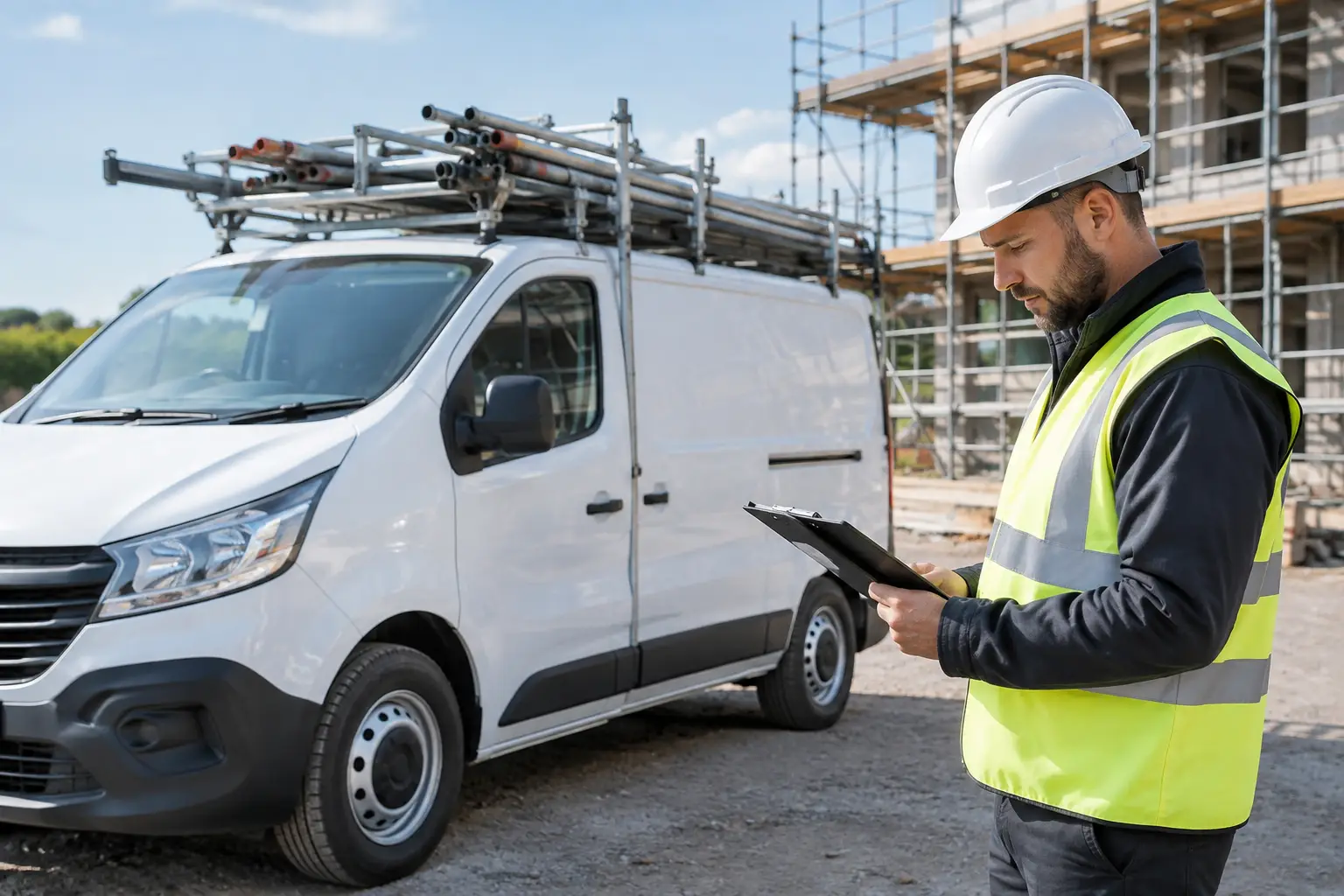
Fleet Cover Versus Named Drivers: Which Fits?

A missing driver should not stop a scaffold job before the first lift is loaded. That is the practical difference at the heart of fleet cover versus named drivers: one approach can give your business more flexibility when crews, jobs and vehicles change, while the other may suit a smaller operation that rarely changes hands behind the wheel.

For scaffolders, motor insurance is not just about getting from A to B. A van may carry boards, fittings and tools. A pick-up may tow a trailer. A lorry may be booked for a delivery at a site with a tight access window. Choosing the right arrangement can protect cash flow, reduce administration and help keep work moving when a driver is off sick, on holiday or needed elsewhere.

What is fleet cover?

Fleet insurance places two or more business vehicles under one policy, although the minimum number can vary between insurers. It can cover a mix of vans, cars, pick-ups, lorries and, in some cases, trailers or specialist vehicles, subject to the policy terms.

Rather than arranging a separate motor policy for each vehicle, you have one renewal date, one main policy record and an agreed driving basis. That basis may be restricted to named drivers, allow authorised employees to drive, or offer an any-driver arrangement. The wording matters. “Any driver” does not mean literally anyone can take the keys. Insurers will normally set age limits, licence requirements, claims history conditions and rules around employee status.

For a scaffolding contractor with several vehicles moving between yards and sites, fleet cover can make day-to-day decisions simpler. If an experienced operative needs to take a van to collect extra fittings, or a supervisor has to swap vehicles at short notice, the policy may be able to accommodate that without adding a driver to an individual vehicle first.

That flexibility needs to be properly arranged, not assumed. Tell your broker who drives, the youngest and oldest drivers, whether labour-only subcontractors ever use company vehicles, where vehicles are kept overnight and whether trailers are towed. Small details can affect both price and whether the cover works as expected after an incident.

How named-driver cover works

Named-driver cover is usually arranged on a vehicle-by-vehicle basis. Each van or lorry has a defined list of people permitted to drive it. For a one-person scaffolding business, or a firm where the same owner and foreman use the same vehicles every week, this can be straightforward and cost-effective.

The insurer assesses the known drivers and their history. Where those drivers are experienced, have clean licences and use the vehicle predictably, named-driver policies can be competitively priced. You are not paying for the wider uncertainty of a changing pool of drivers.

The trade-off is administration. If your usual driver is unavailable and another employee needs to use the van, they must be added before they drive it. A quick call can often deal with a planned change, but last-minute site pressure is exactly when people make assumptions. Letting an uninsured or unauthorised person drive can create a serious problem, particularly after a collision involving third-party injury or damage.

Named drivers can also be restrictive where a business has several vans but regularly shares work between crews. Even if a driver is named on one vehicle, that does not automatically mean they are insured to drive another. Check each policy rather than relying on what sounds sensible.

Fleet cover versus named drivers for scaffolding firms

The best choice comes down to how your business operates, not simply how many vehicles are on the road. A two-van firm with a fixed owner-driver and apprentice may find named drivers more suitable than a fleet policy. A business with three vehicles, rotating crews, supervisors covering absences and regular changes to workloads may value fleet flexibility far more.

Consider a common Monday-morning problem. One driver calls in sick, but the vehicle carrying the loading bay equipment still needs to reach site. With a properly structured fleet policy that permits the replacement employee to drive, you can reallocate the job and get moving. Under named-driver cover, you may need to arrange an amendment before departure. Neither route is automatically better, but the operational cost of a delay can easily outweigh a small premium saving.

There is also a middle ground. A fleet policy can still use named drivers where control is more important than broad flexibility. Equally, separate vehicle policies may work well for firms with a stable workforce and clear vehicle allocation. The right answer is often more tailored than “fleet equals any driver”.

Cost: look beyond the headline premium

Fleet insurance may reduce duplicated administration and can become better value as the number of vehicles grows. It may also give insurers a clearer view of the business as a whole rather than treating every van in isolation. But it is not guaranteed to be cheaper.

A wider driving basis, younger drivers, previous claims, higher annual mileage and overnight street parking can all increase the premium. So can the type of work. Scaffolders often travel early, carry valuable equipment and work across multiple locations, all of which insurers may consider when assessing risk.

Named-driver insurance can look cheaper at renewal because the risk is tightly controlled. However, factor in the cost of mid-term changes, vehicle swaps and downtime if a driver cannot legally use the vehicle needed for a job. Cheap cover that leaves a vehicle parked at the yard when a crew is waiting on site is not always cheap in practice.

Be accurate about modifications and use. Roof racks, storage systems, towing, signwriting, tool storage and carrying scaffold materials should all be disclosed. Also check whether business use includes travel between sites, collecting materials, carrying employees and towing a loaded trailer. Standard assumptions are no substitute for clear policy terms.

The cover details that matter on site

Whether you choose fleet or named drivers, the policy schedule and endorsements deserve a proper read. The following points are particularly relevant to scaffolding businesses:

  • Business use and class of use: Make sure travel between sites, yards, merchants and customer locations is included.
  • Towing: Check the vehicle and driver are insured for towing trailers, and understand any trailer security requirements.
  • Goods carried: Motor insurance generally protects the vehicle and third-party liability, not necessarily your tools, scaffold materials or plant inside it. Separate tools, equipment or goods-in-transit cover may be needed.
  • Windscreen and replacement vehicle cover: A cracked windscreen or off-road van can quickly affect a working week. Check limits, excesses and whether a suitable replacement is provided.
  • Driver restrictions: Confirm minimum age, licence type, employee status and conviction or claims conditions before someone new takes the wheel.

Motor insurance also sits alongside, rather than replaces, your wider protection. Public liability responds to third-party risks arising from your work, while employers’ liability addresses your responsibilities to employees. A vehicle incident at a site entrance can involve more than one policy area, so it helps to have cover arranged with the full operation in mind.

Questions to ask before renewing

Start with your real movements over the past year. How often did one employee drive another person’s van? Did you add new starters? Were vehicles hired, replaced or taken off the road? Did anyone tow a trailer who was not the usual driver? Your answers reveal whether flexibility is a convenience or a genuine operational requirement.

Then look ahead. If you are taking on another gang, bidding for work further afield or adding a lorry to support larger contracts, a policy that works for this year may become awkward next year. It is usually easier to build sensible flexibility in before growth makes it urgent.

Give your broker a full driver list, vehicle details, claims history and a clear description of how vehicles are used. A specialist broker can approach suitable insurer markets and explain the restrictions in plain English, rather than leaving you to interpret a policy after an accident. Scaff Cover can help businesses weigh the practical cost of each option against the cover they actually need.

The right motor arrangement should let you make sensible changes without gambling on insurance. Before the next busy week begins, check who can drive what, where the vehicles are kept and whether your policy matches the way your crews really work.


Fleet Policy Versus Vehicle Cover: Which Fits?

Cover sorted today starts with the right question. If your firm runs one sign-written van, a pickup and trailer, or a growing mix of vans and lorries, the choice between a fleet policy versus vehicle cover can affect your premium, paperwork and ability to keep jobs moving after an accident.

For scaffolders, vehicles are not simply a way of getting to site. They carry fittings, boards, tubes, tools and crews, often make several drops a day, and may be parked overnight at yards or workers’ homes. The right arrangement should reflect that reality, not just the cheapest price on a comparison screen.

What is the difference between fleet policy versus vehicle cover?

A vehicle policy normally insures a specific van, pickup, car or lorry. Each vehicle has its own policy details, renewal date and named drivers or driving restrictions. It can be a sensible, straightforward option for a sole trader with one vehicle, or a small business with only one or two vehicles and a stable driver list.

A fleet policy puts multiple business vehicles under one policy. Insurers often set a minimum number of vehicles, commonly two or more, although this varies by insurer and the type of fleet. Instead of arranging separate policies for every van or lorry, you have one renewal date and a single policy structure covering the vehicles declared to the insurer.

That does not mean fleet insurance automatically covers every person in the business to drive every vehicle. Some policies can offer any-driver terms, while others restrict cover by age, licence type, claims record, occupation or vehicle class. The detail matters, particularly where a crew member may need to move a vehicle at short notice.

When separate vehicle cover can make sense

For a self-employed scaffolder with one van, an individual commercial vehicle policy is often the natural starting point. It is easier to match the cover to that vehicle’s use, its value and who drives it. If your circumstances are unlikely to change during the year, it can be good value too.

Separate policies can also suit a business where vehicles are very different. For example, you might have one high-value lorry with specialist bodywork and a single small van used mainly by an estimator. The lorry may need more tailored underwriting, while the van has a lower-risk use. Keeping them apart can sometimes produce a better fit.

The downside becomes clear as the business grows. Different renewal dates create administration, and adding a new driver or replacing a written-off van can mean several calls and mid-term changes. Missing a renewal or assuming a driver is covered when they are not can quickly turn into an expensive problem.

When a fleet policy is likely to be the better fit

A fleet policy is often worth considering when you operate several vehicles, expect to add or replace them regularly, or need more flexibility around drivers. It can make sense for an established scaffolding contractor with a mix of transit-style vans, pickups, crew vehicles and heavier lorries.

The practical benefit is control. Vehicles can usually be added and removed during the policy term, subject to insurer agreement, and one policy can simplify renewal planning. That is useful when a new contract means taking on another gang, hiring a vehicle temporarily or replacing a van after a breakdown or total loss.

A fleet arrangement may also be more workable where drivers rotate. A supervisor might take a van to inspect a job, while another crew member collects materials. But flexibility should never be assumed. Check the minimum driver age, whether all drivers must be declared, any licence requirements and whether employees, directors or labour-only subcontractors are eligible to drive.

A fleet policy is not always cheaper. Insurers look at the entire claims history, vehicle types, overnight parking, annual mileage, postcode areas and driver profile. One poor claims year can affect the whole fleet premium. Conversely, a well-managed fleet with good claims history and sensible controls can be attractive to insurers.

The cover level is as important as the policy format

Whether you choose a fleet policy or individual vehicle cover, you still need to decide how much motor protection you want. Third-party-only cover meets the legal minimum for injury and damage caused to others, but it will not pay to repair or replace your own vehicle after an incident.

Third-party, fire and theft adds protection if the vehicle is stolen or damaged by fire. Comprehensive cover usually includes accidental damage to your own vehicle as well, subject to the policy terms and excess. For many scaffolding firms, a van off the road after a collision is more than a repair bill. It can hold up a crew, delay a site start and leave materials stranded.

Do not assume that comprehensive motor insurance includes everything inside the vehicle. Tools, scaffolding equipment, stock, personal belongings and hired items are often excluded or subject to low limits under a motor policy. A van may be insured, while the kit needed to earn with it is not. Tools and equipment cover, own plant cover, hired-in plant cover and contract works cover should be considered separately where relevant.

Also check business use carefully. Carrying your own scaffolding materials is not the same as haulage for hire or reward. Towing trailers, carrying hazardous substances, travelling between multiple sites and using a lorry above certain weight limits can all affect what insurers are prepared to cover.

Questions to ask before choosing your arrangement

The best option depends on how your operation works day to day. Before requesting a quote, have clear answers to the following:

  • How many vehicles do you run now, and how many are you likely to add in the next 12 months?
  • Who drives them, including directors, apprentices and occasional drivers?
  • Are vehicles kept at a locked yard, at home, on site or on the road overnight?
  • Do you carry tools, scaffold components, plant or hired equipment that need separate protection?
  • Do you need vans and lorries, or also pickups, trailers and company cars?
  • Have there been accidents, thefts, convictions or claims that an insurer needs to know about?

Accurate information matters. Understating annual mileage, leaving out a regular driver or describing private use as business use can cause serious difficulty when you need to claim. It is far better to explain the full picture at the outset and find an insurer willing to cover it on the right terms.

Think about downtime, not only the premium

A lower premium can look like a win until an accident leaves a vehicle unusable. Ask whether courtesy vehicle or replacement vehicle cover is available, how long it applies for and whether it provides a like-for-like commercial vehicle. A family hatchback is not much help when your team needs to carry equipment to a pavement job first thing Monday morning.

Consider your excess too. A higher excess can reduce the premium, but it must be an amount the business can pay without affecting wages, fuel, materials or supplier accounts. Check whether young-driver, theft or windscreen claims carry separate excesses.

Risk management also has a part to play. Secure overnight parking, trackers, alarms, immobilisers, key control, regular vehicle checks and clear driver rules can help protect the business and may support a stronger insurance presentation. They are no substitute for cover, but duct tape cannot fix a stolen van or a third-party injury claim either.

Getting the right fit for a scaffolding business

There is no automatic winner in the fleet policy versus vehicle cover decision. One-vehicle and very small operations may value the simplicity of a dedicated commercial vehicle policy. Firms with several vehicles, changing crews and regular vehicle replacement may benefit from the administration and flexibility of a fleet arrangement.

The key is to build cover around the way your crew actually works: where vehicles go, what they carry, who drives them and how quickly you need to get back on the road after a problem. Scaff Cover can help place the motor cover alongside the wider protection a scaffolding business may need, so you spend less time chasing insurance and more time focusing on the job.

7 Costly Scaffolding Risks to Insure First

A dropped fitting, a damaged shopfront or a crew member off work after a fall can turn a profitable contract into a serious financial problem within minutes. The costly scaffolding risks to insure are not limited to the obvious working-at-height incident either. Your vehicles, hired kit, materials in transit and contractual responsibilities can all leave a business exposed when the wrong cover is in place – or no cover is in place at all.

For a fast, trade-focused quote, have your turnover, wage roll, height of work, employee numbers, vehicle details and plant values to hand. It helps a specialist broker place the right information with suitable insurers first time, rather than leaving you to untangle a generic policy after an incident.

1. Injury to the public and damage to third-party property

Public liability is usually the starting point for a scaffolding business. It is designed to respond if your work causes injury to someone outside your business or damage to property belonging to someone else.

Think of a pedestrian injured by falling debris, a scaffold board damaging a parked car, or a loading operation cracking paving outside a commercial premises. Claims can also arise where a scaffold obstructs access, affects a neighbouring building or is alleged to have been erected incorrectly.

Many principal contractors, local authorities and clients will ask to see evidence of public liability before work begins. Where a pavement or highway permit is involved, the required limit may be stated in the permit conditions. A £5 million limit is common, but £10 million may be required for larger sites, local authority work or contracts with strict terms.

The limit is only one part of the picture. Check the policy is suitable for the height, type and locations of work you undertake. A lower-priced policy with a restrictive height condition can be a false economy if your normal contracts exceed it.

2. Injury or illness affecting your crew

If you employ staff, employers’ liability insurance is generally a legal requirement in the UK. It protects the business against compensation claims from employees who are injured or become ill because of their work.

Scaffolding crews face clear physical exposures: falls, manual handling injuries, struck-by incidents, slips during loading, and accidents involving lorries, lifting equipment or site traffic. Even where training, inspections and safe systems of work are taken seriously, an accident can still result in a costly claim and time away from work.

Do not assume labour-only subcontractors automatically sit outside your responsibility. Insurance obligations can depend on the real working relationship, including who controls the work, supplies equipment and directs the operative. This is worth discussing openly when arranging cover. Getting the classification right is far easier than arguing about it after a claim.

Personal accident cover is different. It can provide a stated benefit if an insured person suffers a qualifying accidental injury, helping with the immediate financial pressure of being unable to work. It is particularly relevant for self-employed scaffolders who do not have sick pay to fall back on.

3. Falls and work at unrestricted heights

Working at height is fundamental to the trade, but it is also an area where policy wording matters. Some general construction policies apply height restrictions or need an insurer’s agreement above a stated level. If your work includes taller commercial structures, industrial sites, towers or complex access arrangements, make this clear before cover starts.

Unlimited-height-risk options may be available for suitable risks, but this does not mean every height or activity is automatically covered without conditions. Insurers will still want to understand your experience, risk assessments, supervision, training, inspection routines and claims history.

Be precise about the work you do. Temporary roof systems, chimney access, loading bays, stair towers, edge protection and scaffold design work can alter the risk profile. A policy based on a vague description of “builder’s scaffolding” may not reflect the contracts you actually take on.

4. Theft, loss and damage to tools, equipment and plant

A locked compound is no guarantee that valuable kit will still be there in the morning. Scaffolding tools, generators, harnesses, laser levels and small plant are attractive targets, while damage in transit and accidental damage on site can be just as disruptive.

Tools and equipment cover can help replace insured items after theft or damage, subject to the policy terms, security requirements and excess. Keep an up-to-date equipment list with serial numbers, photographs and replacement values. It makes arranging the right sum insured easier and can save valuable time if you need to make a claim.

Own plant cover is for machinery your business owns. Hired-in plant cover is for equipment you hire under a rental agreement, where you may be responsible for loss or damage. These are not interchangeable. A hired telehandler or other item of plant can carry a substantial contract value, and the hire company may continue charging while it is unavailable.

Check whether the policy covers hired plant’s continuing hire charges following an insured loss, as well as the equipment itself. The answer depends on the insurer and wording, so it should never be assumed.

5. Vehicle accidents and materials in transit

Your vans, lorries and trailers are part of the job, not just a way of getting to it. They carry crews, tube, boards, fittings and tools through busy streets, tight estates and congested construction sites. A road traffic accident can create vehicle repairs, third-party injury claims, replacement vehicle costs and delays to an active contract.

Fleet or commercial vehicle insurance should reflect how each vehicle is used. Include business use, carriage of own goods, trailer use and the right drivers. If employees take vehicles home, or if a vehicle regularly travels between jobs outside your usual area, say so when obtaining a quote.

Also consider what happens to tools and equipment left in vehicles overnight. Cover may be available, but insurers often apply strict security conditions, such as approved alarms, locked storage or limits on unattended vehicles. Leaving expensive kit visible in a van can put both the equipment and a claim at risk.

6. Contract works and the job itself

Public liability protects against damage you cause to others. It does not necessarily pay to reinstate the work you are carrying out after an insured event. That is where contract works cover can matter.

For example, a storm damages a partly completed temporary roof, a fire affects materials awaiting installation, or malicious damage ruins work already completed on site. The commercial impact can include replacing materials, returning labour to site and missing the agreed programme.

Whether you need contract works cover depends on your contract terms and where responsibility passes between you, the principal contractor and the client. Read the insurance clauses before signing. If the contract makes you responsible for works, materials or hired equipment, the policy needs to match that responsibility. Do not rely on another party’s site insurance without written confirmation of what it covers and when.

7. Legal disputes, recovery costs and contractual pressure

Not every expensive problem starts with an injury or damaged asset. A customer may withhold payment, a supplier may dispute an invoice, or an employment issue may require legal advice. Defending even a weak allegation can absorb management time and legal fees at exactly the point you need to keep jobs moving.

Legal expenses cover can provide access to legal advice and, where a claim meets the policy conditions and has reasonable prospects of success, help with certain legal costs. The detail varies widely, including the types of dispute covered and any minimum dispute value.

It should not be treated as a substitute for good paperwork. Keep signed quotations, agreed variations, delivery records, inspection documents, permits, photographs and site correspondence. Clear records can prevent a disagreement becoming a formal dispute and give insurers or legal advisers a much stronger starting point if it does.

How to set the right level of protection

The cheapest quote is only useful if it responds when your business needs it. Start with the contracts you are pursuing, not simply the work you did last year. A move from domestic jobs to commercial projects, a new lorry, additional employees or regular hired plant can all change the cover required.

Be honest about turnover, wage roll, claims, work at height and subcontractor arrangements. Understating these details may reduce the premium initially, but it can cause problems at renewal or during a claim. Equally, do not pay for limits and extensions you genuinely do not need. The right approach is proportionate cover, based on the work, assets and contractual liabilities you carry.

Scaff Cover can help make sense of those moving parts, from public and employers’ liability through to vehicles, tools, plant and contract works. A specialist conversation before the job starts is usually quicker and less costly than trying to repair a coverage gap afterwards.

The next time a client sends over a contract or asks for insurance evidence, use it as a prompt to check your protection rather than simply forwarding last year’s certificate. It could be the small bit of admin that keeps one difficult incident from becoming a business-stopping bill.

Scaffolder Insurance Broker Review: What Matters

When a principal contractor asks for a liability certificate before a job starts, a cheap policy that excludes the work you actually do is no bargain. A proper scaffolder insurance broker review should look beyond the headline premium and ask one simple question: will this cover stand up to the jobs, crews and kit your business relies on?

For scaffolders, insurance is not a tick-box exercise. You work at height, move heavy materials, often occupy pavements or roads, and leave valuable equipment on active or unsecured sites. The right broker should understand those realities without making you translate your trade into generic construction terms.

What a scaffolder insurance broker should understand

A general commercial broker may be able to arrange a policy. That does not automatically mean they will spot the details that matter to a scaffolding contractor. Height is the obvious one. Some policies impose a maximum working-height condition, while others can be arranged without a height restriction, subject to insurer terms and the information provided. If your work includes taller commercial, industrial or specialist structures, this needs to be discussed before cover is placed, not discovered when making a claim.

The broker should also ask sensible questions about the work itself. Do you erect temporary roofs? Are you working on public highways? Do you use subcontract labour? Do you hire in plant? Do you transport tube, boards and fittings between several sites each week? These answers affect the cover needed and, just as importantly, whether the insurer is comfortable with the risk.

A useful test is how clear the conversation feels. If you are being rushed into choosing a limit or package without questions about your contracts, workforce and equipment, pause. Less time chasing quotes is valuable. But a fast quote still needs to be based on the right information.

Review the cover, not just the quotation

Two quotations can show the same public liability limit and have very different conditions, exclusions and excesses. Ask for the important points in plain English. A specialist broker should be willing to explain what is included, what is not, and where an insurer needs more detail.

Public and employers’ liability

Public liability protects against claims from third parties for injury or property damage linked to your work. For a scaffolding firm, that could mean a member of the public injured near a pavement scaffold, damage to a client’s building, or an incident involving materials during loading and unloading. Many contracts and local authority permissions specify a required limit, commonly £5 million or £10 million. The correct figure depends on the contract, not on what happens to be cheapest.

If you employ staff, employers’ liability is generally a legal requirement. It covers claims from employees who suffer injury or illness through their work. Scaffolding carries clear physical risks, so confirm that everyone who works for you is correctly declared. The distinction between direct employees, labour-only subcontractors and bona fide subcontractors matters. Getting it wrong can leave an unwelcome gap.

Vehicles, plant, tools and materials

Your work does not stop when the scaffold is erected. A lorry, van or fleet policy needs to reflect how vehicles are used and who drives them. Tell the broker about trailers, tool security, overnight parking, delivery activity and any drivers under 25, rather than assuming standard motor cover will fit.

Tools, tube, fittings and equipment are frequent targets for theft. Check whether tools are covered from vehicles, what security requirements apply, whether unattended vehicles are excluded, and whether the limit reflects the replacement cost of your kit. A low excess can sound attractive, but a policy with a realistic sum insured and workable theft conditions is often more useful.

Own plant and hired-in plant need separate attention. If a hired telehandler, generator or other item is damaged, stolen or causes damage, the hire agreement may place responsibilities on you. Contract works cover can also be relevant where your contract makes you responsible for materials or work in progress. The right answer depends on the paperwork you sign and how your jobs are structured.

The questions that reveal a good broker

A broker review is less about glossy promises and more about what happens when you need an answer quickly. Before proceeding, ask how they approach height restrictions, which information they need for unusual jobs, and whether they can help with certificates for a site manager or pavement permit.

Also ask how claims are handled. A broker cannot guarantee an insurer’s claim decision, but they should explain who to call, what evidence to retain and how they will support you through the process. After an accident or theft, you need practical help, not a generic inbox and a policy document full of unfamiliar wording.

It is worth checking the broker’s regulatory status too. A UK insurance broker should be authorised and regulated by the Financial Conduct Authority. This does not make every policy identical, but it gives you a clear framework for service standards, complaints and the handling of client money.

Finally, ask whether the broker has access to more than one suitable insurer or wholesale market. A wider panel does not guarantee the lowest price every time, and the cheapest option is not always the best one. It can, however, give a specialist broker room to match different risk profiles, from a one-person scaffolder with hand tools to a contractor running crews, vehicles and hired plant.

Price matters, but cash flow matters too

Construction businesses feel the effect of payment timing. An annual premium may be competitive, yet difficult to pay in one go when wages, fuel, yard costs and supplier invoices are all due. If instalments are offered, check whether they are arranged directly or through third-party premium finance, and ask for the total amount payable, interest and any fees.

Some brokers can offer a two-part payment structure for suitable policies. That can be a practical option, but it is still worth comparing the overall cost against paying in full. Straight answers on finance are part of good service. You should know exactly what you are agreeing to before documents are issued.

Do not shave cover limits simply to reach a target monthly figure. A serious third-party injury or major property damage claim can far exceed the savings from a smaller limit. It is better to explain the budget honestly and ask the broker to identify sensible options, including changes to excesses or packaging, than to buy cover that does not meet contract requirements.

When a specialist broker is the better fit

A specialist broker is particularly useful if you work above standard height limits, take on varied commercial contracts, need evidence of liability cover at short notice, or have a mix of employees, subcontractors, vehicles and plant. They are also valuable when your renewal has become complicated by claims, changes in turnover or a new type of work.

That does not mean every scaffolder needs the largest possible insurance programme. A sole trader carrying limited tools has different needs from a firm with several gangs and a yard full of stock. The point of specialist advice is proportionate cover: enough protection for the risks you genuinely carry, with no vague assumptions hiding in the application.

Scaff Cover is built around this trade-specific approach, arranging cover for scaffolders through a range of insurer and wholesale-broker markets. The practical value is in the conversation: identifying the liability limits, height arrangements, equipment values and payment options that make sense for the work booked in.

A final check before you say yes

Read the statement of fact and schedule before accepting cover. Make sure turnover, wage roll, employee numbers, work at height, locations, claims history, vehicle use and equipment values are accurate. Tell the broker about anything that changes during the policy year, particularly new contracts, extra staff, hired plant or a move into more complex work.

Insurance cannot stop a dropped fitting, a stolen laser level or a vehicle incident. It can give your business a route through the financial fallout when the information is right and the policy is built for the job. Get the questions answered while the scaffold is still on paper, not after something has gone wrong.

Insurance Evidence for Site Access Explained

A scaffold gang can be ready to erect, the lorry can be loaded and the programme can be tight, but none of that helps if the site manager will not let you through the gate. Insurance evidence for site access is often a non-negotiable part of pre-start checks, particularly on commercial, public-sector and main-contractor sites.

Getting the right paperwork over early is not just an admin job. It protects your start date, your relationship with the contractor and your cash flow. A missing certificate can leave a crew standing down while another contractor gets the work.

What is insurance evidence for site access?

Insurance evidence is the documentation a client, principal contractor, site manager or local authority asks for to show that your scaffolding business holds the cover required for the work. Usually, they want a current certificate of insurance. Depending on the contract, they may also ask for a policy schedule, a broker confirmation letter or evidence of a specific indemnity limit.

The request is not simply a box-ticking exercise. Scaffolding affects people working above and below the structure, nearby properties, passing vehicles and members of the public. Where a scaffold sits on a pavement or highway, the exposure extends beyond the site boundary too.

A certificate proves cover was in force when it was issued. It does not always set out every policy term, exclusion or condition. That is why larger projects sometimes ask for more detail. If they do, do not assume a generic certificate will settle it. Check exactly what they need and when they need it.

The documents sites commonly request

For most scaffolding contractors, public liability evidence is the first document a site will ask for. It confirms the insurer, policyholder name, policy dates and indemnity limit. Many construction sites set a minimum limit of £5 million, while higher-value, city-centre or infrastructure work may require £10 million or more.

If you employ staff, including labourers or apprentices, you will normally also need employers’ liability insurance. The certificate should be available for inspection, and site teams commonly request a copy during onboarding. Employers’ liability is a legal requirement for most businesses with employees, although limited exceptions can apply.

You may also be asked for evidence of the following where the job calls for it:

  • motor fleet or commercial vehicle cover for vehicles entering or operating around the site;
  • hired-in plant cover if you are using hired equipment and your hire agreement makes you responsible for it;
  • contract works cover where your contract requires protection for work in progress or materials on site;
  • professional indemnity cover where you have design responsibility or provide drawings and specifications; and
  • personal accident cover, which is not usually a site-access requirement but can help protect income following a serious injury.

Not every policy is relevant to every job. Sending a full bundle of unrelated documents can create more questions, not fewer. Start with the contractor’s insurance schedule or pre-qualification request, then provide the evidence that matches it.

Public liability: the document that usually opens the gate

Public liability cover is central for scaffolders because it responds to claims alleging injury to a third party or damage to their property arising from your work, subject to the policy terms. A falling fitting, damaged window, blocked access route or a pedestrian injury near a pavement scaffold can all lead to expensive allegations.

The key point is the limit. A £2 million public liability policy may be suitable for some smaller private jobs, but it will not meet a contract that demands £5 million or £10 million. You cannot talk a site manager into accepting a lower limit just because the scaffold is only up for a week. Their requirement will usually be tied to the principal contractor’s own risk rules.

Check whether the limit is required per claim, in the aggregate, or subject to any specific wording. It is also sensible to confirm that the nature of your work is accurately declared. If you undertake high-rise, complex or unrestricted-height scaffolding, your cover needs to reflect that reality.

Why a certificate is not always enough

A site may ask for an “insurance certificate” but reject what you send because the company name is wrong, the policy has expired or the indemnity limit is not visible. These are common, avoidable hold-ups.

Your trading name, legal entity and address should match the contract or onboarding form. This matters for sole traders who have changed trading names, limited companies with several brands, and groups where vehicles or employees sit under a different entity. If the insured name does not match, ask your broker whether a confirmation letter is appropriate rather than altering paperwork yourself.

Some contractors also request confirmation of specific extensions, such as work at height, work away from your premises, use of heat, highway work or the height limit applicable to your scaffold operations. Do not promise that a policy includes these features until they have been checked against your actual arrangement.

A practical way to avoid site delays

Treat insurance evidence like an essential part of the job pack, alongside RAMS, training records, inspection arrangements and permits. As soon as a job is awarded, ask for the client’s insurance requirements in writing. Do not wait until the crew is due on site.

First, compare the requested limits and policy types against your current cover. Second, make sure the policy dates cover the whole working period, including any likely extension. Finally, send clean, current PDFs with a clear file name, such as “ABC Scaffolding Public Liability Certificate 2026”. A site administrator should be able to identify the document in seconds.

Keep a controlled folder for certificates and schedules, with old versions archived separately. This avoids the classic mistake of forwarding last year’s certificate from a phone while standing at the gate. If your policy renews mid-project, send the replacement evidence before the old policy ends.

For regular work with principal contractors, it can help to maintain a one-page insurance summary. This should state your legal business name, the policy classes held, indemnity limits, renewal dates and broker contact details. It is a useful sign that you are organised, but it should support rather than replace the formal certificate where one is requested.

Pavement licences, highway permits and local authority requests

Scaffolds on public pavements and highways bring another layer of checks. The council or highways authority may require proof of public liability cover before issuing a licence, often at a stated minimum limit. Your client may also ask for evidence before allowing a pavement application to proceed.

Requirements vary by authority. One council may accept a certificate showing the required limit, while another may ask for wording linked to the licence application. Allow time for this. A licence cannot usually be treated as an afterthought once materials have arrived.

Remember that insurance evidence is only one part of the process. You may still need a scaffold licence, traffic management arrangements, lighting, pedestrian protection and compliance with the conditions imposed by the authority. The certificate does not replace safe planning on a busy street.

When the contract asks for more than your policy provides

Do not ignore a higher limit or unusual wording in the hope it will not be checked. If a contract requires £10 million public liability and you hold £5 million, raise it with your broker before signing or starting the work. In some cases, an increased limit or project-specific arrangement may be available. In others, the risk, insurer appetite or contract wording may mean it is not suitable.

The same applies to requests to name a principal contractor, waive rights of recovery or accept contractual liabilities beyond normal trading terms. These are technical points with real consequences. A quick conversation early is far easier than discovering a gap after an incident.

Scaff Cover can help scaffolding businesses check whether their insurance evidence matches a contractor’s request and arrange practical documents where appropriate. The aim is straightforward: less time chasing paperwork, more time focusing on the job.

Before the next mobilisation, take five minutes to check your certificates, renewal dates and indemnity limits. A tidy insurance pack will not erect the scaffold for you, but it can make sure your team is allowed on site to do exactly that.

Does Insurance Cover Falling Materials on Site?

A dropped fitting can turn a routine lift into a serious claim in seconds. So, does insurance cover falling materials? Often, it can – but the answer depends on what fell, who or what it damaged, why it happened and the cover in place before the incident. For scaffolders, a loose board, coupler, toe board or bundle of tubes is not a theoretical risk. It is one of the exposures that needs proper attention from the start.

If you need cover that reflects the way your team actually works, getting the right policy sorted before the next job is far easier than trying to explain a gap after an accident.

When falling materials may be insured

The main policy involved is usually public liability insurance. This is designed to cover compensation claims from third parties if your work causes accidental injury or damage to their property. In a scaffolding setting, that could mean a fitting falling onto a parked car, a board striking a pedestrian, or materials damaging a client’s roof, windows or machinery.

Public liability may also pay legal defence costs, subject to the policy terms. That matters because a claim can be expensive even where liability is disputed. A pedestrian alleges they were injured by an item falling from your scaffold; their solicitor contacts you months later; evidence is limited and the site has moved on. Insurers will want to investigate what happened, but a suitable policy gives you a route to deal with the allegation rather than funding the response yourself.

The important word is accidental. Insurance is there for sudden, unintended incidents, not as a substitute for safe systems of work. An insurer will still consider whether materials were secured correctly, whether exclusion zones were in place and whether the job was being carried out in line with the policy’s conditions.

A typical public liability scenario

Imagine a scaffolding gang is dismantling a pavement gantry. A poorly controlled fitting falls outside the exclusion zone and dents a delivery van. The van owner claims for repairs and loss of use. Subject to the policy wording, excess and investigation, public liability cover may deal with the third-party damage claim.

Now change the scenario: the fitting damages your own lorry. Public liability would not normally cover that. Your motor policy is the more likely place to look, assuming the vehicle damage is insured under the relevant cover. The same event can involve different policies depending on whose property was damaged.

Does insurance cover falling materials that injure workers?

If the person injured is your employee, labourer or apprentice, employers’ liability insurance is usually the key cover. It protects the business against claims from staff who suffer injury or illness arising from their work, where the business is legally liable.

For most UK employers, employers’ liability insurance is a legal requirement, with limited exceptions. In practice, scaffolding contractors should not treat it as a box-ticking exercise. A falling object injury can involve time off work, rehabilitation, lost earnings and a significant legal claim, particularly if the injury is serious.

Self-employed subcontractors can make this less straightforward. Whether someone is treated as an employee for insurance purposes can depend on the working arrangement, supervision, control and contractual position. Do not assume a subcontractor’s own policy removes your exposure. Declare how you use labour when arranging cover and keep records of subcontractor insurance where appropriate.

If a member of the public, a client or another trade is injured, public liability is generally more relevant. If the injury happens to someone in your own workforce, employers’ liability is generally the first policy to consider. The facts still matter, and insurers will assess each claim on its merits.

What about the cost of putting your own work right?

This is where many contractors get caught out. Public liability is primarily for injury or damage to third parties. It does not automatically pay for the cost of correcting faulty work, replacing defective materials or rebuilding your own damaged scaffold.

Say a stack of boards is not secured properly during a storm and falls within the site boundary, damaging the scaffold structure itself. The cost to repair or replace your own materials may need to be considered under tools and equipment, own plant, hired-in plant or contract works cover, depending on who owns the items and what has been insured.

Contract works insurance can be particularly relevant where your work forms part of a wider project and accidental damage delays completion. However, the precise cover can vary widely. Some policies include certain temporary works or materials on site, while others have limits, conditions or exclusions that matter just as much as the headline wording.

A useful rule of thumb is this: public liability deals with what you have done to someone else; property and contract works cover may be needed for what has happened to your own equipment, materials or works. It is not a perfect rule, but it helps identify the right questions quickly.

Why the cause of the incident matters

Insurers do not only ask what fell. They ask why. A strong claim file often depends on whether the incident resulted from a sudden accident, weather event, malicious damage, theft, poor storage, defective equipment or an avoidable failure in site controls.

Common areas insurers may examine include:

  • whether materials were tied, boarded, netted or otherwise secured appropriately;
  • the adequacy of the exclusion zone, barriers and signage below the work area;
  • inspections, handover records and changes in weather conditions;
  • training, supervision and whether workers followed the agreed method statement;
  • the condition of lifting equipment, hoists and scaffold components; and
  • whether the policy accurately described the work, height exposure and locations involved.

That is not a reason to avoid reporting an incident. Report it promptly, preserve the evidence and do not admit liability before speaking with your insurer or broker. Take photographs, note the time and weather, record witnesses, retain inspection documents and secure any relevant CCTV where available. Those details can be crucial when accounts differ.

Policy limits need to match the job

A minor car repair and a catastrophic public injury are very different exposures, yet both can begin with a single falling object. This is why the liability limit matters. Many clients, local authorities and main contractors ask for a specified public liability limit before work can begin, especially where scaffolding is erected over roads, pavements or public access areas.

The right limit is not simply the lowest figure that gets you onto site. Consider where you work, the height of the scaffold, footfall, nearby traffic, neighbouring property, the value of surrounding assets and contractual requirements. Work above busy high streets, rail-adjacent locations or occupied commercial premises brings a different risk profile from a small domestic elevation.

Height restrictions deserve the same attention. Some general policies limit the height at which you can work or exclude parts of the job that are central to scaffolding. Specialist arrangements can offer unlimited-height-risk options, but this should be confirmed for the work you undertake, not assumed from a marketing phrase or certificate alone.

Practical steps that strengthen your position

Insurance and site safety should work together. Before work starts, identify what could fall, where it could land and who could be affected. That means planning material loading and unloading, controlling the area below, checking ties and toe boards, and reviewing the approach when weather changes.

Keep your paperwork useful rather than ceremonial. A risk assessment that mentions falling objects but does not reflect a pavement scaffold, a live entrance or a busy loading bay will not help much after an incident. Update it when the job changes. Brief the crew on the actual controls, not just the document, and record inspections at the intervals required by the job and regulations.

It also pays to check your insurance schedule each time the business grows. A sole trader taking on labour, buying a lorry, hiring in a hoist, working at greater heights or moving into more commercial contracts may need more than the policy that suited a small domestic operation two years ago. Duct tape cannot fix a cover gap, and neither can a rushed renewal.

Frequently asked questions

Are falling scaffold boards covered by public liability insurance?

They may be if a board accidentally falls and injures a third party or damages third-party property, and your policy responds to the circumstances. The policy will not usually cover the board itself simply because it has fallen, nor will it necessarily cover the cost of defective work.

Does public liability cover damage caused by a subcontractor?

It depends on your policy and the subcontractor arrangement. Some policies provide cover for bona fide subcontractors, while others impose conditions or exclude certain labour-only or height-related activities. Declare your use of subcontractors clearly and check their own insurance evidence.

What should I do immediately after materials fall?

Make the area safe, call emergency services where needed, get medical help, notify the site management, take photographs and report the incident to your insurer or broker as soon as possible. Do not dispose of damaged equipment or make admissions of liability until you have received advice.

The best time to test whether your insurance covers falling materials is before anyone is standing below the scaffold. Get the work, height, workforce and equipment declared properly, then you can focus on delivering the job with fewer nasty surprises.

Best Insurance Documents for Scaffolders

A site manager is waiting for a public liability certificate before they let your lorry through the gate. A council wants evidence before approving a pavement licence. Your plant hire firm needs confirmation of hired-in equipment cover. In those moments, the best insurance documents for scaffolders are not paperwork for paperwork’s sake – they keep the job moving.

The key is having the right evidence, with the right limits and business details, ready before a client or authority asks. A certificate that looks tidy but does not reflect your height exposure, employees, hired plant or contract obligations can create a far bigger problem than a delayed email.

The insurance documents scaffolders need most

For most scaffolding businesses, the policy schedule is the master document. It confirms who is insured, what activities are declared, the period of cover, the policy limits, excesses and any endorsements. Keep the current version, not last year’s renewal paperwork, in a secure digital folder that you and the person handling site paperwork can access.

A schedule is detailed, but it is not always the document a principal contractor wants to see. That is where certificates and insurer letters come in. They provide short, shareable evidence of cover, while the schedule remains the place to check the small print.

Public liability certificate

Public liability is usually the first document a scaffolder will be asked for. It evidences cover for accidental injury to third parties or damage to their property arising from your work. Think of a dropped fitting damaging a parked car, a loose board causing an injury, or a scaffold striking a client’s building during erection.

Many contracts, local authorities and larger sites ask for limits of £5 million or £10 million. The right level depends on the work, the client and the potential loss. A small domestic job may not carry the same exposure as a city-centre scaffold over a busy pavement, but do not simply choose a lower limit because it is cheaper. If the contract requires £10 million, a £5 million certificate will not satisfy it.

Check that the business name, trading name and policy dates are correct before sending it out. If you trade as a limited company but the certificate names you personally, or vice versa, ask for it to be corrected. It can save an awkward hold-up at the gate.

Employers’ liability certificate

If you employ anyone, employers’ liability cover is generally a legal requirement. That can include full-time operatives, labour-only subcontractors and some temporary workers, depending on the real working relationship. The certificate shows that cover is in place for employees who are injured or become ill through their work.

Scaffolding is physical, high-risk work, and the document matters as much as the policy itself. Keep a copy accessible for your team and retain certificates for the required period after cover ends. If you are unsure whether a subcontractor should be treated as an employee for insurance purposes, get advice before assuming their own public liability policy settles the issue.

Motor and fleet insurance evidence

A van, pickup or lorry is often carrying the equipment that earns the day’s money. Motor documentation should confirm that each vehicle is insured for the use it actually undertakes, including business use and any relevant carriage of tools or materials. Vehicle insurance and tools cover are not automatically the same thing, so do not assume a stolen tube or fitting is insured merely because it was in an insured van.

For a fleet, maintain a simple vehicle list alongside your policy documents. Include registrations, regular drivers and any vehicle changes awaiting notification. This makes it easier to provide evidence to a client and helps prevent gaps when a replacement vehicle joins the business.

Plant, tools and hired-in equipment documents

Scaffolders can have a serious amount of value tied up in boards, fittings, tubes, alarms, power tools and specialist equipment. Your tools and equipment schedule should state the limits, security requirements and whether cover applies away from your premises, in vehicles or at unattended sites.

If you hire a hoist, forklift, telehandler or other plant, the hire company may ask for proof of hired-in plant cover. Read the hire agreement alongside the insurance documents. You may be responsible for theft, accidental damage, continuing hire charges or damage caused by the plant, and those are not always dealt with under one section of a policy.

The practical question is not just, “Do I have plant cover?” It is, “Does this document cover the plant I am hiring, for this use, at this value, for the liabilities I have accepted?” If the answer is unclear, resolve it before collection day.

What to check before sending a certificate

A certificate is evidence, not a full explanation of the cover. Before forwarding one to a client, compare it with the job in front of you. For scaffolding contractors, the details that most often deserve a second look are working-height conditions, work over roads or public areas, use of heat, work at airports or rail sites, and exclusions relating to particular contracts or locations.

Unlimited-height-risk arrangements may be available, but that does not mean every policy operates in exactly the same way. Some insurers have conditions around methods of work, specific activities or the type of contract being undertaken. Ask for confirmation in writing where a tender, permit or unusual project hinges on it.

Also check contractual liability. A client’s contract may make you responsible for losses that go further than your normal legal liability. Signing a broad indemnity without reviewing it can leave you accepting a risk your insurance was never intended to cover.

Documents that support insurance, but are not insurance

Sites often request a bundle of paperwork, and it is easy to mix it all together. Risk assessments and method statements, inspection records, training certificates, CIS details, waste carrier information and pavement permits are all vital operational documents. They are not substitutes for insurance certificates.

That distinction matters after an incident. Your insurance may respond to a valid claim, while your RAMS, inspection records and training evidence help show that work was planned and carried out properly. Keep both sets organised. Duct tape cannot fix a missing document when a client needs it before work starts.

Build a job-ready document pack

A practical approach is to keep a current PDF pack containing your public liability certificate, employers’ liability certificate where applicable, motor or fleet evidence, and any relevant plant or contract works documents. Add the policy schedule separately, rather than circulating it widely, because it contains more detailed terms.

Review the pack every time something changes: a new employee, vehicle, yard address, major contract, hired machine or change in turnover. Insurance is arranged on the information given to the insurer, so telling your broker about changes is not admin for later. It is part of protecting the business now.

For recurring clients, ask exactly what they require and in what format. Some want a certificate only; others need a named contract, an increased liability limit or a confirmation letter. Getting that list before pricing the work avoids promising a start date you cannot support with documents.

When a standard certificate is not enough

A standard certificate may not answer a specific client question. For example, a council may need evidence for works over a footway, a principal contractor may ask about a particular height exposure, or a hire company may want confirmation of a stated equipment value. In those cases, ask your broker for a tailored letter or clarification rather than altering a document yourself or giving assurances you cannot prove.

Scaff Cover can help contractors identify the documents a job genuinely calls for and arrange cover around the practical realities of scaffolding work. Less time chasing unclear paperwork means more time focusing on the job.

The best document pack is the one that matches the work you have agreed to do, is current when it is requested and is understood by the person sending it. Keep it ready before the first delivery arrives, because the smoothest jobs often begin with a simple, accurate certificate.

Are Subcontractors Covered by Insurance at Work?

A subcontractor arrives on site, helps erect a scaffold beside a busy pavement, and a passing vehicle catches an outrigger. The question of who pays cannot be answered simply by saying, “the main contractor has insurance”. Policies, contracts and the true working arrangement all matter. So, are subcontractors covered by insurance? Sometimes, but never assume it.

For scaffolders, that distinction matters. A single incident can involve damaged property, an injured member of the public, hired equipment, a delayed programme and an argument over contractual responsibility. Cover sorted before work starts is far less painful than sorting out liability after the event.

Are subcontractors covered by insurance automatically?

No. A subcontractor is not automatically covered by the contractor who hired them, even where they are working solely on that contractor’s site. The contractor’s public liability policy may cover its own business activities and employees, but it will not necessarily extend to independent subcontractors or their work.

Some policies include cover for bona fide subcontractors, subject to conditions. Others only cover labour-only subcontractors, or cover the main contractor for their legal liability arising from the subcontractor’s work. That is different from insuring the subcontractor’s own business. The wording matters, as do any declarations made when the policy was arranged.

In practice, a principal contractor may require each subcontractor to hold their own public liability insurance, often with a specified limit such as £5 million or £10 million. Local authorities, site managers and clients may also ask for evidence before issuing permits or allowing work to begin.

Labour-only and bona fide subcontractors are not the same

Insurance providers commonly make a clear distinction between the two. A labour-only subcontractor generally works under the contractor’s direction, uses the contractor’s equipment and materials, and is paid for their labour. They may look more like a member of the contractor’s workforce.

A bona fide subcontractor usually runs their own business. They may quote for a job, provide their own tools, transport and labour, decide how work is carried out, and take responsibility for putting right defective work. A scaffolding firm brought in to erect, alter and strike a scaffold as a separate package is more likely to fall into this category.

Status is not decided by the label on an invoice alone. Insurers will consider the real arrangement. Getting this wrong can leave a claim disputed, particularly if a contractor has described all subcontractors as labour-only when they operate independently.

The cover a scaffolding subcontractor may need

The right insurance depends on the work, contract and business setup. But a subcontractor who works at height, moves materials, uses vehicles and supplies equipment should rarely rely on one policy alone.

Public liability insurance

Public liability is usually the starting point. It can respond if your work causes injury to a third party or damage to their property. For example, if a fitting falls and damages a parked car, or an incomplete scaffold is alleged to have contributed to an injury, this is the type of cover likely to be called upon.

Check that the policy describes your trade accurately. Generic construction cover may not reflect scaffolding work, pavement licences, roadside activity, work near the public or the heights involved. Some arrangements have height restrictions, so a policy that suits low-level maintenance work may not suit a complex access scaffold.

The limit also needs to meet the contract. A £2 million limit may be enough for some smaller private jobs, but many commercial sites insist on £5 million or more. Higher limits can be required for major projects, rail-adjacent work or busy public locations.

Employers’ liability insurance

If a subcontractor employs anyone, employers’ liability insurance is usually a legal requirement. It protects against claims from employees who are injured or become ill because of their work. In scaffolding, that may involve falls, manual handling injuries, vehicle movements or defective equipment.

Whether someone counts as an employee is not always straightforward. A person paid as self-employed may still be treated as an employee for insurance purposes if the business controls their work closely. This is one reason labour-only arrangements need careful attention. Do not assume that calling someone self-employed removes the obligation.

Plant, tools and hired equipment

A main contractor’s insurance may not cover your tools, tube and fitting stock, boards, harnesses, generators or small plant. Nor should you assume hired equipment is protected. Hire agreements often make the hirer responsible for loss or damage, even if the item is stolen from a secured compound.

Tools and equipment cover can help keep a job moving after theft or accidental damage. Own plant and hired-in plant cover can be just as relevant where a telehandler, hoist or specialist access equipment is involved. Check the security requirements, single-item limits and whether equipment is covered while left in or on a vehicle overnight.

Contract works and professional responsibilities

Where a subcontractor is responsible for materials or a defined portion of the project, contract works cover may be needed. It can protect work in progress following insured events such as fire, flood or theft, depending on the policy.

There can also be a gap where a client alleges that a scaffold design, inspection or alteration was negligent. Standard public liability policies may have exclusions or limitations around professional advice and design responsibility. If you take on design, temporary works coordination or sign-off beyond normal installation, say so before arranging cover. It is better to have an honest conversation at quotation stage than find a critical exclusion after a claim.

What the main contractor should check

Hiring a subcontractor does not remove a main contractor’s exposure. If the subcontractor’s work injures someone or damages property, the client may still pursue the contractor that controls the site or holds the contract. A claim can then become an expensive debate between insurers.

Before appointing a subcontractor, obtain current insurance evidence and check it is relevant to the job. The certificate is useful, but it is not the whole story. Confirm the public liability limit, the trade description, any height restriction, the expiry date and whether the subcontractor employs workers. If they are using hired plant or supplying materials, ask who is responsible for those items in the contract.

The subcontract should set out responsibility for workmanship, defects, site security, damage to existing structures, waste, permits and indemnities. Insurance should support the contract, not contradict it. A broad indemnity accepted without checking the policy can create a liability that the insurer will not meet.

For contractors using a mixture of direct staff, labour-only workers and bona fide subcontractors, keep records clear. Record who supplied tools and materials, who supervised the work, and who held responsibility for the finished section. This is sensible risk management and makes policy renewals more accurate.

Common gaps that catch people out

The most common problem is relying on a verbal assurance that “you’re covered”. Another is treating all subcontractors the same when their working arrangements differ. Both can unravel when insurers ask questions after an incident.

Other areas need care too:

  • work above a stated height limit or outside the declared trade activity;
  • damage to the part of the property being worked on, which may have restricted cover;
  • defective workmanship claims, especially where there is no resulting damage;
  • theft of tools from an unattended van or unsecured site;
  • vehicles used for business without the right motor cover; and
  • injury claims involving workers whose employment status was not properly understood.

These are not reasons to avoid subcontracting. They are reasons to make insurance part of the job planning process, alongside RAMS, permits, inspections and site access.

A practical way to arrange cover

Start with the actual work rather than a vague description of “construction”. Explain whether you erect and dismantle scaffolding, undertake temporary roof work, use pavement licences, work on commercial sites, employ operatives, hire plant or take on design responsibility. Mention the maximum working height and the largest contracts you expect to undertake.

Then read the contract before confirming you are insured for it. Pay particular attention to indemnity clauses, required liability limits, responsibility for hired equipment and any requirement to add another party to the policy. If the wording is unclear, ask for advice in writing.

A specialist broker such as Scaff Cover can help match the policy to how your business actually operates, including arrangements for unlimited-height-risk work where available. The aim is not to buy every possible add-on. It is to avoid paying for a policy that leaves out the risks you face every week.

If you are the subcontractor, carry your own suitable cover and keep your documents current. If you are appointing one, verify their cover before the first lift goes in. That small check protects the working relationship, the programme and the business you have worked hard to build.

How to Insure Scaffolding Vans Correctly

A scaffolding van is rarely just a way of getting to site. It carries the crew, boards, fittings, hand tools and the kit that keeps the next job moving. Knowing how to insure scaffolding vans properly means looking beyond the cheapest commercial motor quote and making sure the policy reflects what happens between the yard, the road and site.

A policy that is right for a domestic tradesperson may not be right for a scaffolder running early starts, multiple drivers, loaded vehicles and regular travel between jobs. Get the details right from the outset and you are less likely to face an awkward conversation if a van is stolen, written off or involved in an accident.

Start with the right type of van insurance

At the legal minimum, every van used on the road needs third-party motor insurance. This covers injury to other people and damage to their property where you are at fault. It will not pay to repair or replace your own van after an accident, fire or theft.

For most scaffolding businesses, comprehensive commercial van insurance is the sensible starting point. It can cover damage to your vehicle as well as third-party liabilities, subject to the policy terms, excess and any exclusions. With a loaded van and a diary full of jobs, the cost of replacing a vehicle after a serious incident can be far greater than the saving made on a basic policy.

Third-party, fire and theft cover can suit some older or lower-value vans, particularly where the business could fund repairs or replacement itself. That is a cash-flow decision, not simply a premium decision. Consider what would happen if the van were damaged on Monday morning and you still had wages, hire charges and site commitments to meet that week.

Make sure business use is declared

Do not assume that a standard business-use category tells the full story. Tell the insurer or broker that the van is used for scaffolding work, carries materials and equipment, travels between sites, and may be parked at a yard or at employees’ homes overnight.

If the vehicle is used for more than getting one person to a fixed workplace, it needs to be rated accordingly. Hauling scaffolding components, collecting equipment, visiting several sites and transporting a crew are all material details. So is occasional use outside normal hours, such as an emergency call-out or a weekend collection from a hire company.

Be accurate about annual mileage too. Underestimating it can look tempting when arranging cover, but it creates problems if the vehicle’s recorded mileage tells a different story after a claim.

Insure the driver, not just the van

A good motor policy needs to match the people who will actually drive. Many scaffolding firms start with one owner-driver, then add labourers, supervisors or family members as work grows. If someone is behind the wheel regularly, they should be named or covered under the agreed driver arrangement.

Named-driver cover is often more controlled and may be cheaper where only a small number of experienced drivers use the van. Any-driver cover can make operational sense for a larger crew, but it usually costs more and commonly comes with age or licence restrictions. A 19-year-old improver with a recent licence may not be covered simply because the policy says any driver.

Declare convictions, previous claims and penalty points honestly. Insurers assess these factors differently, so a specialist broker can help find a market that understands the trade rather than treating a scaffolding van as a generic courier vehicle.

Also check the licence category needed for the van’s weight. Payload adds up quickly when boards, tubes and fittings are involved. Overloading creates safety risks, can lead to enforcement action and may complicate an insurance claim. The legal weight limits still apply even when a last-minute job needs more kit on site.

Protect tools, equipment and materials separately

One of the most expensive misunderstandings in commercial motor insurance is assuming that everything in the back of the van is automatically covered. Usually, the motor policy is there for the vehicle. Hand tools, power tools, harnesses, ladders, fittings and other trade equipment may need separate tools and equipment cover.

Check whether cover applies while equipment is in the van, at a locked yard, on site and in use. Theft from an unattended vehicle can come with strict conditions, such as removing tools overnight, using a secure storage box, fitting an approved alarm or parking in a locked compound. The exact requirements vary, so read them before relying on the cover.

Scaffolding materials can need separate consideration too. If you transport goods or equipment that belong to a client, a contractor or a hire firm, goods in transit or hired-in plant cover may be relevant. Your own stock and your own plant are not necessarily treated in the same way as a customer’s property.

This is where policy packaging matters. Commercial motor, tools cover, own plant, hired plant and public liability serve different purposes. Duct tape cannot fix a gap between policies, especially after a theft or road accident.

Choose cover that keeps the business moving

A van off the road is more than a repair bill. It can mean missed jobs, delayed collections and a crew waiting for transport. Ask about courtesy van provision, replacement-vehicle options and whether the policy provides help after an accident, breakdown or theft.

A courtesy van is not always like-for-like. A small car may not solve a scaffolding contractor’s problem, and a standard panel van may not have the carrying capacity you need. If a suitable replacement is critical, discuss that before you buy the policy rather than discovering the limitation during a claim.

Breakdown cover is also worth considering, particularly for vans travelling long distances or operating outside local hours. It is not a substitute for motor insurance, but roadside recovery can prevent a simple mechanical fault becoming a lost day’s work.

Legal expenses cover can be useful where there is a dispute following a non-fault accident, such as recovering uninsured losses or dealing with a contract-related motoring issue. It should be viewed as an additional layer, not a guarantee that every disagreement will be funded.

When fleet insurance may make more sense

If your business has several vans, arranging each one on a separate policy can become time-consuming and hard to manage. Fleet insurance places eligible vehicles under one policy, often with a common renewal date and a simpler administration process.

There is no universal point at which fleet cover becomes better value. It depends on the number and type of vehicles, drivers’ records, claims history and how often vehicles change. For some firms, it becomes practical at two or three vehicles. For others, individual policies remain more competitive.

Fleet cover can make it easier to add a newly purchased van or temporarily substitute a vehicle, but do not assume additions are automatic. Speak to the insurer or broker before putting a new vehicle into use. The same applies if you begin operating a tipper, pickup, trailer or heavier vehicle alongside standard vans.

Give accurate information when requesting a quote

A clear quote request helps avoid delays and reduces the risk of unsuitable cover. Have the following information to hand:

  • each van’s registration, value, modifications and usual overnight location;
  • estimated annual mileage, business activities and the areas you travel to;
  • all regular drivers’ ages, licence details, claims and convictions;
  • security features, including alarms, immobilisers, trackers and locked compounds; and
  • details of tools, plant or materials carried, plus their approximate value.

Be open about signwriting, roof racks, internal racking and any modifications. These are normal features for many working vans, but they can affect security, repair costs or how the vehicle is rated. If the van is leased or on finance, check whether the agreement has insurance requirements, including approved repairers or a requirement to keep comprehensive cover.

Reduce the chance of a costly claim

Insurers want to see sensible risk management, and so should any business owner responsible for a crew. Use secure overnight parking where possible, keep keys controlled, and remove high-value portable tools when the van is left unattended. A tracker may be worthwhile for higher-value vehicles, but it will not replace the need for proper physical security.

Driver management matters just as much. Check licences periodically, set expectations around mobile phone use and reversing, and make sure loads are secured. A minor reversing incident can still lead to vehicle downtime, excess costs and a renewal premium increase.

Keep photographs and receipts for equipment, record serial numbers, and report thefts or accidents promptly. If an incident happens, preserve dash-cam footage where available and take photographs of vehicle positions, damage and the surrounding area when it is safe to do so.

Get trade-aware advice before you commit

The right van insurance is not always the policy with the lowest headline price. It is the one that recognises your actual working pattern, has sensible conditions for the kit you carry and gives you a workable route back on the road after a claim.

Scaff Cover can help scaffolding businesses arrange motor and wider trade insurance around the way they operate, from a single working van to a growing fleet. A straightforward conversation before cover starts can save a great deal of stress later. Get the details sorted now, so a problem with a van does not stop the job along with it.

How to Insure Hired Scaffold Equipment Properly

Need hired equipment cover for an upcoming job? Get the details of the hire, the replacement values and your contract terms ready before arranging a quote. It makes it far easier to insure hired scaffold equipment properly and avoid finding a costly exclusion after something goes wrong.

Hiring equipment can make good commercial sense. It lets a scaffolding business take on a larger contract, cover a breakdown, or access specialist kit without tying up cash in a major purchase. But once hired gear arrives on site, the responsibility for loss or damage often sits with the hirer. That responsibility can be far wider than many contractors expect.

A dropped loading bay gate, vandalism overnight, a theft from a compound or damage while equipment is being moved between sites can all leave you facing a hire company invoice. The right insurance is there to protect your business cash flow when the equipment is not yours, but the bill may still be.

What hired scaffold equipment cover is for

Hired-in plant and hired equipment cover is designed for equipment you hire, lease or borrow for use in your business. For scaffolders, that may include temporary fencing, loading bays, lifting equipment, generators, site cabins, hoists, aluminium towers or specialist access equipment. Depending on the arrangement, it may also apply to hired scaffold components.

The policy is intended to cover your legal liability under the hire agreement for accidental loss of or damage to the equipment, subject to the policy terms, excess and stated limits. The key point is that a hire company does not necessarily absorb the loss simply because it owns the item. If you signed the agreement, you may be responsible while it is in your custody or control.

This is different from cover for plant or equipment your business owns. Own plant cover protects assets you have purchased. Hired-in plant cover addresses the equipment you are contractually responsible for but do not own. Many established contractors need both, particularly where jobs vary in size and location.

Why public liability may not be enough

Public liability insurance is essential for scaffolding work. It can respond where your work causes injury to another person or damage to their property, such as damage to a client’s building or a parked vehicle. However, it is not a replacement for hired equipment cover.

Property in your care, custody or control is commonly subject to restrictions within liability policies. In straightforward terms, equipment hired to your business is likely to be treated differently from a neighbour’s property damaged by falling materials. Assuming public liability will pay for a damaged hired hoist or stolen generator is a risk worth avoiding.

There can also be a contractual issue. Hire agreements sometimes make the hirer liable in circumstances where they might not otherwise have been legally liable. Insurance policies will have their own wording around contractual liability, so the hire terms and insurance cover need to be considered together.

Check the hire agreement before the kit leaves the yard

The hire agreement is not just paperwork to sign on a busy morning. It tells you when responsibility starts and ends, what you may be charged for, and whether the hirer requires a particular type or level of insurance.

Read the sections covering loss, theft, damage, recovery charges and off-hire procedures. Responsibility may begin when equipment is delivered, rather than when it is first used. It may continue until the hire company has physically collected it and checked it back in. That creates a potential gap if equipment is left on an unsecured site after the job is finished.

Pay particular attention to the declared replacement value. A contractor may hire several items individually that add up to a substantial exposure when considered together. If you have a maximum hired-in plant limit of £25,000 but have £45,000 of equipment on hire during a major project, the limit may be too low for the risk you are taking.

Ask whether the agreement includes a damage waiver. A waiver can reduce what the hire company charges following an insured event, but it is not automatically the same as insurance and may carry exclusions, excesses and conditions. It may not cover theft, unexplained disappearance, misuse, or the full recovery and administration costs. Check rather than assume.

How to insure hired scaffold equipment with the right limit

Start with the largest total value of hired equipment you could have in your possession at any one time. Do not base the figure on an average week if your work regularly includes larger projects, seasonal peaks or last-minute hires to meet programme changes.

Include equipment at your yard, on site, in transit and awaiting collection where you remain responsible. If you hire from more than one supplier, add the values together. The insurer needs a realistic maximum exposure, not the amount on your most recent invoice.

When arranging cover, be clear about what you hire and how it is used. For example, a firm hiring a compact lifting machine, goods hoist and temporary stair system has a different risk profile from a sole trader occasionally hiring a small generator. Details such as locations, security, transport arrangements and the experience of operators can all matter.

It is also worth checking whether the policy covers hired equipment while in transit. Scaffold businesses are mobile by nature. Equipment can be vulnerable while loaded on a lorry, stored overnight before a site start, or moved between jobs. Separate motor, tools, goods in transit or plant policies may be relevant depending on the item and the circumstances.

Conditions that can affect a claim

Insurance is most useful when the basics are handled properly on site. Theft claims in particular can turn on whether the equipment was secured in line with the policy conditions. A locked compound, suitable chains and ground anchors, immobilisers, keys removed from machinery and recorded serial numbers are sensible controls as well as good site practice.

Keep a clear hire record showing the supplier, hire reference, equipment description, serial numbers, value, delivery date and expected collection date. Photographs at delivery and collection can help where damage is disputed. If equipment moves to another site, update your own records promptly rather than relying on someone remembering where it went.

Only allow trained and authorised people to operate specialist hired equipment. Damage caused by unsuitable operation, deliberate acts, wear and tear, gradual deterioration or poor maintenance may not be covered. The same applies where equipment is used outside the manufacturer’s intended purpose or the hire company’s agreed terms.

If an incident occurs, tell the hire company and your insurer or broker as soon as possible. Take photographs, preserve CCTV where available, report theft to the police and avoid admitting liability before the facts are clear. Delays can make an already awkward claim harder to resolve.

Common gaps worth asking about

A policy should be checked against the practical way you work, not just the headline description. These are common areas to raise when discussing cover:

  • The maximum value of all hired equipment at any one time, including peak contract periods.
  • Theft from an unattended site, unsecured compound, vehicle or temporary storage location.
  • Equipment in transit, loading and unloading, or left pending collection after off-hire.
  • The excess payable for theft, accidental damage and claims involving machinery.
  • Hire charges that continue while damaged equipment is repaired or replaced, if these are your responsibility under the agreement.

Not every insurer treats these points in the same way. A lower premium can be attractive, but it may carry a higher excess, a tighter theft condition or a limit that falls short when a contract grows. That trade-off should be visible before you commit.

Match cover to the rest of your scaffolding insurance

Hired equipment cover works best as part of a properly joined-up insurance arrangement. Public liability, employers’ liability where you employ staff, owned tools and equipment, fleet or motor cover, contract works, legal expenses and personal accident cover each deal with different parts of the job.

For example, if a hired piece of access equipment is damaged during a road-side installation, the claim may involve the equipment itself, a vehicle, a third party and site management questions. One specialist conversation can help identify where covers overlap, where they do not, and what documents your client or local authority may need.

Scaff Cover can help contractors assess hired plant and equipment exposures alongside the wider risks of working at height, moving materials and operating across multiple sites. The aim is straightforward cover that reflects the jobs you actually take on, not a generic package built for a different trade.

Hired kit should help you win work, not introduce a liability you only discover when the invoice arrives. Before the next delivery turns up, check the agreement, total the replacement values and make sure your insurance reflects the real responsibility sitting with your business.

Quote Me Today - Call us today